 lop News
The number plate says it all: 01:59:30.
When Sabastian Sawe landed at Jomo Kenyatta International Airport on Wednesday night, his Kenya Airways plane received a water cannon salute. Dancers and musicians performed. His parents had driven six hours from their home in the Rift Valley to greet him. His father, Simeon Sawe, said his throat still hurt from all the cheering.
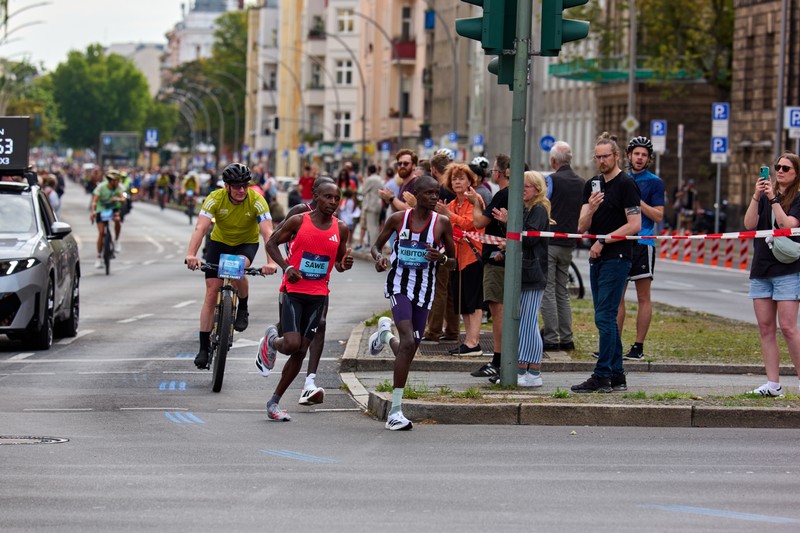
Five days earlier, on a London Sunday morning, the 31-year-old had done what many believed impossible — run a marathon in under two hours in competitive race conditions, crossing the line in 1:59:30. Not a paced exhibition. Not a controlled experiment. A proper marathon, with proper rivals, on a course that hadn’t seen a men’s world record since 2002.
The previous record, 2:00:35, belonged to fellow Kenyan Kelvin Kiptum, set in Chicago in 2023 before his death in a car crash the following year. Eliud Kipchoge broke the two-hour barrier in a specially staged event in 2019, but under conditions that didn’t count as an official record. Sawe did it in open competition, beating Kiptum’s mark by 65 seconds. He crossed halfway in 1:00:29, then ran the second half even faster — 59:01.
On Thursday, President William Ruto presented Sawe with two cheques totalling 8 million Kenyan shillings ($62,000) and that personalised number plate. Ruto called it “a defining moment in the history of human endurance.” Sawe handed the president the shoes he wore over 26.2 miles.
“I am happy about this good day, that you came to celebrate with me,” Sawe told the crowd at the airport. “I did not expect it.”
He has won all four marathons he has entered. He already believes he can go faster. “Even 1:58 is possible,” he told BBC Sport. For Kenya’s distance-running dynasty, the horizon keeps moving.
Discussion (6)