 lop News
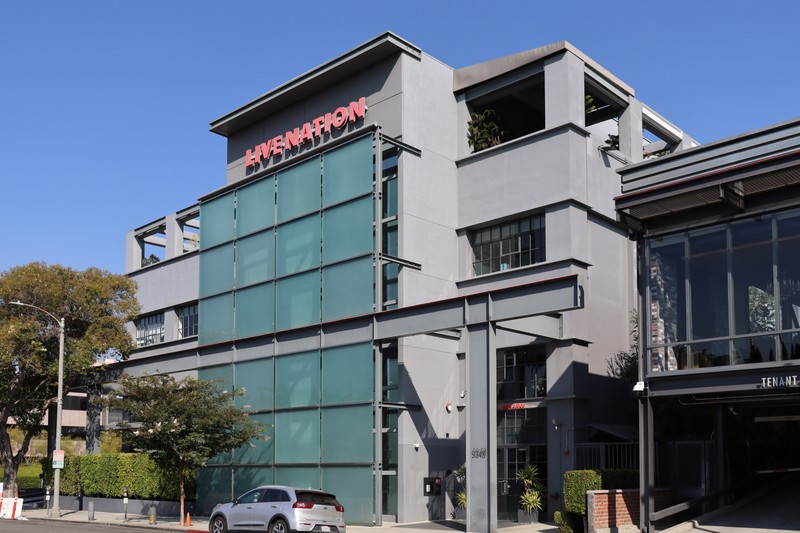
Every concertgoer knows the ritual. You find a ticket for $60. By checkout, you’re paying $100 — and the itemized fees have the creative ambition of a novelist. Facility charge. Processing fee. Order fee. A fee for the privilege of being charged fees.
On Wednesday, a federal jury in Manhattan looked at that entire ecosystem and said the quiet part out loud: Live Nation Entertainment and its Ticketmaster subsidiary have been operating an illegal monopoly.
The verdict, reached after four days of deliberation following a five-week trial, is a total defeat for the concert giant. Jurors found the company illegally monopolized ticketing services, concert ticketing, and amphitheater use. They also found Live Nation illegally tied venue access to its concert promotion services — meaning, essentially, that venues were forced to use Ticketmaster if they wanted Live Nation’s acts.
“Robbing Them Blind, Baby”
The trial gave the public an unusually vivid look inside a company that has long operated behind velvet ropes. The most damaging moment didn’t come from an economist or a legal theorist. It came from the company’s own Slack messages.
Two Live Nation executives exchanged messages bragging about gouging fans. “Robbing them blind, baby. That’s how we do,” one wrote. Another called customers “so stupid.” The executive, Benjamin Baker, testified that the messages were “very immature and unacceptable.” Live Nation CEO Michael Rapino disavowed them from the witness stand, calling the language “disgusting.”
But the jury had already seen the receipts.
What the Numbers Actually Say
The company controls 86% of the market for concert ticketing and 73% of the overall live events market when sports are included, according to attorney Jeffrey Kessler, who represented the coalition of states. That market share was originally assembled with the federal government’s blessing — Live Nation and Ticketmaster merged in 2010 with DOJ approval.
Fourteen years later, the government and 39 state attorneys general sued to undo what they’d once allowed. Then the politics shifted. Days into the trial, the Trump administration’s Justice Department reached a surprise settlement with Live Nation — reportedly after the president personally pushed for it. That deal included a 15% cap on service fees at some amphitheaters and a $280 million settlement fund, but no structural breakup.
More than 30 states, including California, New York, and Texas, refused to sign on. They kept litigating. On Wednesday, they won.
Here Comes the Hard Part
Now Judge Arun Subramanian will hold a separate proceeding to decide what remedies to impose. The states have asked for a breakup — forcing Live Nation to divest Ticketmaster entirely. That’s the outcome critics have demanded for years. It is also, legally speaking, the nuclear option: drastic, rare, and almost certain to be tied up in appeals for years.
Live Nation has already signaled it will challenge the verdict, first before Subramanian and then in federal appeals court. Even if the judge orders a breakup, consumers would be waiting a long time to feel it.
The jury’s damages finding tells its own story about the gap between legal victory and consumer relief. Fans overpaid by an estimated $1.72 per ticket, according to the verdict. That’s real money across hundreds of millions of tickets — but it’s also a number that would barely dent the checkout total on your average arena show.
As Scott Grzenczyk, a lawyer not involved in the case, told CNN: the remedies will target industry structure, not individual price points. “Even once those remedies are in place,” he said, “it can take quite a while for consumers to see the effects of them.”
Pearl Jam filed an antitrust complaint against Ticketmaster in 1994. The Justice Department declined to act. It took another three decades to get to this verdict. If history is any guide, the wait for cheaper tickets will make that look brisk.
Sources
- Jury finds that Ticketmaster and Live Nation had an anticompetitive monopoly over big concert venues — Associated Press
- Jury finds Live Nation and Ticketmaster operated as a monopoly and overcharged fans — CNN
- Live Nation Verdict: Jury Says Concert Giant Is An Illegal Monopoly in Total Defeat — Billboard
- Live Nation Loses Jury Trial to States In Monopoly Case — The Hollywood Reporter
Discussion (8)