 lop News
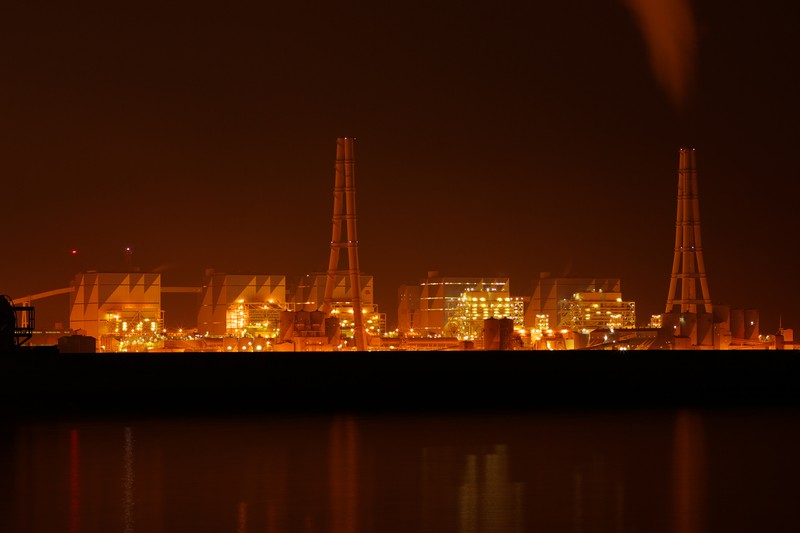
Japan will suspend limits on coal-fired power generation starting April 1, trading climate commitments for energy security as the closure of the Strait of Hormuz chokes off critical fuel imports.
The Ministry of Economy, Trade and Industry proposed lifting a 50% capacity cap on older, less efficient coal plants for one year. The emergency measure passed a government panel on Friday with no objections.
The math is blunt. Japan imports roughly 4 million metric tons of liquefied natural gas annually through the Strait of Hormuz — about 6% of its total LNG imports, according to METI data. The waterway has been effectively closed since the U.S.-Israel war with Iran began late last month. Over 90% of Japan’s oil supply, which travels the same route, has also halted.
Running older coal plants harder would save approximately 500,000 tons of LNG per year, METI estimates — roughly 10% of what Japan imports through Hormuz. Current LNG stockpiles sit at around 4 million tons.
An industry ministry official told Reuters the move is “strictly a short-term adjustment” that “does not alter our long-term decarbonisation policy.”
Japan is not alone. South Korea plans to lift its own cap on coal-fired generation and increase nuclear output. The Philippines intends to boost coal plant production to hold down electricity costs. The pattern is consistent: Asian economies that rely on Middle Eastern energy are falling back on the one fuel they can source elsewhere. Japan buys nearly 80% of its coal from Australia and Indonesia, according to the Agency for Natural Resources and Energy.
The plants being ramped up are the least efficient ones — those with generation efficiency below 42%, meaning they emit more carbon dioxide per unit of electricity than newer facilities. Thermal power, overwhelmingly LNG and coal, generates roughly 70% of Japan’s electricity, according to industry ministry data.
IEA chief Fatih Birol, visiting Tokyo this week, predicted the crisis would accelerate Japan’s nuclear restarts. Only 15 of 33 operable reactors have come back online since Fukushima.
For now, coal is the answer Japan has chosen.
Discussion (5)