 lop News
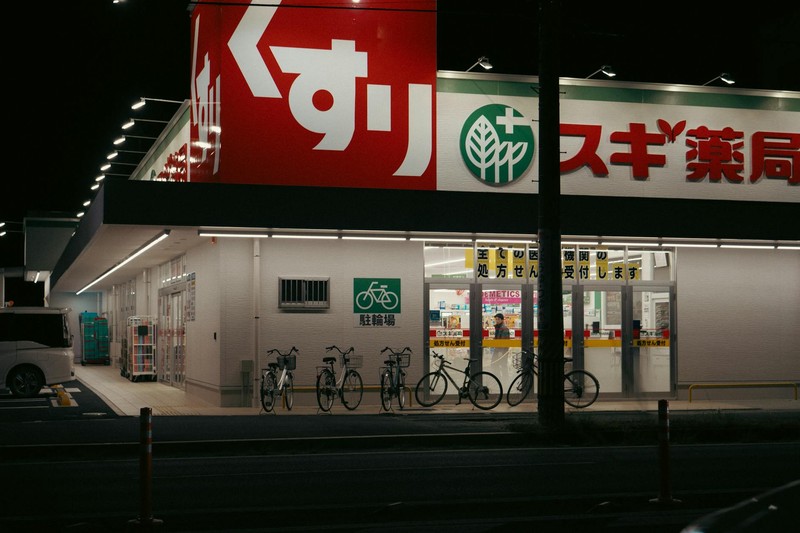
Patients across Japan are being turned away from pharmacies empty-handed. The medication they depend on to work, study, and function is simply unavailable in sufficient quantities. The drug is Concerta — the only central nervous system stimulant approved for adults with ADHD in Japan — and the country is running out of it.
The shortage has been building since September 2025, when manufacturer Janssen Pharma began limiting shipments. The crisis was compounded by the suspension of Strattera, another key ADHD drug, after a suspected carcinogen was detected during manufacturing in 2024. Patients who relied on Strattera were rerouted to Concerta, adding to already growing demand and contributing to the shortage. According to the Japan Developmental Disabilities Self-Advocacy Association, some pharmacies can now dispense only 21 pills per month.
Japan’s Ministry of Health has urged Janssen to increase supply since late 2025, the Tokyo Shimbun reported. But Concerta’s active ingredient, methylphenidate, is a controlled psychotropic substance due to its similarity to stimulants, making rapid production increases difficult.
The deeper problem is structural. Japan has four approved ADHD medications. The US has more than 20. Amphetamine-based drugs like Adderall are classified as illegal stimulants in Japan, a legacy of the country’s methamphetamine abuse history. Vyvanse, another common alternative, is approved only for children. When one drug fails, patients have almost nowhere to turn.
The advocacy association has collected accounts from patients unable to work without medication. One person in their 30s reported considering leave from their job. Another described the timing — days before a workplace training program — as catastrophic.
ADHD diagnoses in Japan have risen sharply as awareness has grown, particularly among adults historically underdiagnosed in the country. The pharmaceutical infrastructure was never built to absorb that demand. Japan is now living with the consequences: recognition that outpaced the system’s ability to deliver care.
Sources
- 【独自】ADHDの治療薬、国内で不足 厚労省、供給量増を要請 — Tokyo Shimbun
- ADHD治療薬がない 改善「2カ月」のはずが半年「在庫なし」 — Mainichi Shimbun
- ADHD治療薬の供給危機について — Japan Developmental Disabilities Self-Advocacy Association
Discussion (6)