 lop News
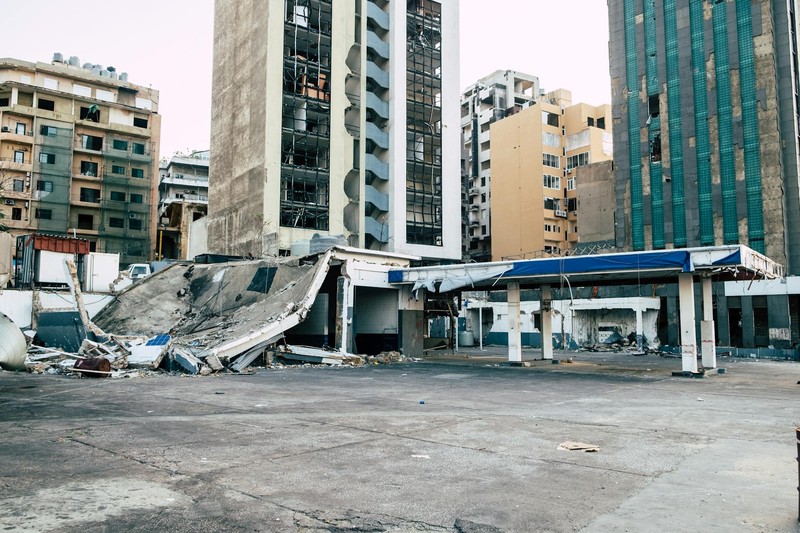
The strike hit Beirut’s southern suburbs at dusk. The target: Malek Balout, commander of Hezbollah’s elite Radwan Force. By Wednesday evening, Israeli officials said he was dead — along with his deputy and several others.
Prime Minister Benjamin Netanyahu and Defence Minister Israel Katz confirmed the attack, identifying Balout as the objective. According to Ynet News, an Israeli official said the operation was coordinated with the United States.
Balout had led the Radwan Force since 2024, when his predecessor, Wissam al-Tawil, was killed in an Israeli strike. Israeli authorities described him as responsible for firing on Israeli communities and harming IDF soldiers. “No terrorist has immunity – Israel’s long arm will reach every enemy and murderer,” Netanyahu said on Telegram.
A Calculated Escalation
The Radwan Force is Hezbollah’s premier fighting unit, long tasked with offensive operations against Israel. Striking its commander inside Beirut’s southern suburbs — a Hezbollah stronghold — represents a significant moment in Israel’s broader campaign to dismantle the group’s command structure.
It was the first Israeli strike on the area in weeks. Security officials cited by Ynet said Israel’s planning for operations in Beirut had continued behind the scenes, awaiting the right opportunity. This was it.
Strikes Across Lebanon
The Beirut operation did not come in isolation. Israeli forces struck targets across southern and eastern Lebanon on Wednesday, killing at least 13 people, according to Al Jazeera.
In the Bekaa Valley town of Zellaya, an airstrike killed four people, including the head of the municipal council and three members of his family. Among the dead were two women and an elderly man, according to the Lebanese health ministry.
Israel also issued forced displacement orders for 12 villages in southern Lebanon, warning residents to remain at least one kilometre from their homes. Most of the affected villages lie north of the Litani River — outside the zone currently under Israeli military control. According to Al Jazeera, the orders reached parts of the western Bekaa Valley for the first time since the ceasefire took effect.
Hezbollah said it responded by targeting Israeli forces in southern Lebanese towns, describing its actions as retaliation for Israeli violations of the ceasefire.
A Ceasefire Under Strain
The truce, brokered by Washington, has been in effect since April 17. It is fraying. Both sides trade accusations of violations. The broader conflict traces to earlier this year, when Hezbollah began firing rockets at Israel after the US and Israel launched military operations against Iran.
Israeli strikes in Lebanon have killed more than 2,700 people since the conflict escalated, according to Channel News Asia. Dozens of those deaths have occurred since the ceasefire was signed.
The timing of Wednesday’s strikes raises questions about the diplomatic track. The claim that the Beirut operation was coordinated with the United States suggests it was not an unplanned escalation but a deliberate step — one Washington was at minimum informed about. Whether this complicates negotiations over Lebanon and the wider regional conflict, or is sequenced alongside them, remains unclear.
What is clear is that Israel’s campaign against Hezbollah’s leadership continues methodically. Balout is the latest in a line of senior commanders killed since the fighting intensified. The Radwan Force has now lost two commanders in just over two years.
The message from Jerusalem is consistent: nowhere in Lebanon is off limits, and no rank carries immunity. The question now is how Hezbollah responds — and whether the ceasefire survives that answer.
Sources
- Israeli strikes on Lebanon kill 4 despite ceasefire — Channel News Asia
Discussion (9)