 lop News
At 5pm Eastern on Thursday, the bombs are supposed to stop. US President Donald Trump announced a ten-day ceasefire between Israel and Lebanon after separate calls with Prime Minister Benjamin Netanyahu and President Joseph Aoun.
One name was conspicuously absent from the announcement: Hezbollah.
The Iran-backed armed group, which dragged Lebanon into the conflict by firing rockets at Israel on March 2, has not endorsed the ceasefire. Its lawmakers called negotiations with Israel “wrong” and accused the Lebanese government of damaging concessions. Hezbollah political council member Wafiq Safa said this week the group will not abide by agreements from the Washington talks. During those talks, Hezbollah claimed it launched at least 24 attacks against Israel.
This is the central tension: the ceasefire was negotiated over the head of the party doing the shooting.
A week of firsts
The truce follows an intense diplomatic push. On Tuesday, Lebanese and Israeli envoys met in Washington — the first direct diplomatic contact between the two countries in decades. Secretary of State Marco Rubio chaired the session, calling it a “historic gathering.” Both sides agreed to launch formal negotiations at a mutually agreed time and venue.
Netanyahu stated that Israel’s priority is the “dismantling” of Hezbollah’s weapons and a “real peace agreement that will last for generations.” Lebanese ambassador Nada Hamadeh Moawad called the meeting “constructive” but insisted on “the full sovereignty of the state over all Lebanese land.”
What ten days actually buys
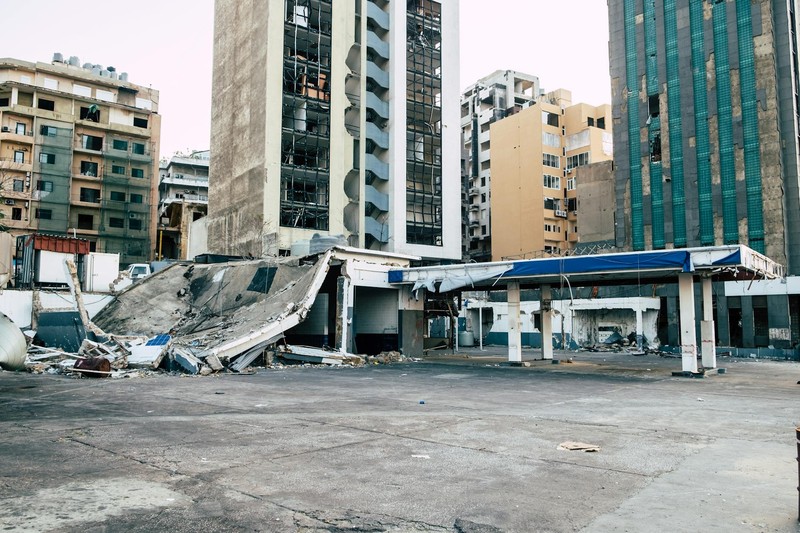
For Lebanon’s civilians, the pause offers desperate relief. Israeli forces have killed more than 2,100 people since March 2, according to the Lebanese health ministry. Over one million — roughly one in five Lebanese — have been displaced. Evacuation orders cover approximately 15 percent of the country. A destroyed bridge has isolated the area south of the Litani River.
On April 8, Israeli forces struck more than 150 locations across Lebanon in ten minutes, killing at least 303 people according to UN human rights experts. Many strikes hit densely populated neighborhoods in central Beirut. The UN has appealed for $308 million to fund Lebanon’s humanitarian response.
Prime Minister Nawaf Salam called the ceasefire “a central Lebanese demand we have pursued since the first day of the war.” European Commission President Ursula von der Leyen welcomed the truce and said Europe would continue supporting Lebanon through “substantial humanitarian aid.”
For diplomats, ten days is a window to structure a second round. For the belligerents, it is time to reassess and reposition. The Chatham House think tank notes that Hezbollah, despite severe degradation of its leadership and military capacity over two years, remains embedded in Lebanon’s political fabric. Israel cannot simply expel it as it did the PLO in the 1980s.
The call that didn’t happen
The limits of this diplomacy are visible in what didn’t occur. Trump sought to put Aoun and Netanyahu on the phone together. The Lebanese side declined. Aoun refused a direct call with the Israeli prime minister — Washington “understands Lebanon’s position,” a government official told the Associated Press.
Lebanon’s government is willing to negotiate through emissaries. It is not willing to appear friendly. Aoun must contend with Hezbollah’s residual clout and its parliamentary allies.
Hezbollah chief Naim Qassem urged the government to cancel the talks but could not prevent Tuesday’s meeting. The group lacks the parliamentary numbers to reverse the decision, and withdrawing its ministers would allow Salam to replace them with Shia figures unaligned with Iran.
Two wars, two tracks
The Lebanon ceasefire exists alongside, but formally separate from, the broader US-Israel war on Iran. A US-Iran ceasefire — which Washington and Jerusalem say does not cover Lebanon — expires next week, with fresh negotiations expected in Pakistan. Iran’s parliament speaker Mohammad Bagher Ghalibaf told Lebanese speaker Nabih Berri that a Lebanon ceasefire is “just as important” as ending the war with the United States.
Senior Hezbollah lawmaker Hassan Fadlallah said the group was briefed on the truce by Iran’s ambassador to Beirut. Whether Hezbollah would comply, he said, depended on Israel halting all hostilities — a condition that keeps the group’s compliance in its own hands.
The distinction matters. This is not one conflict but two overlapping ones, each with its own dynamics and diplomatic track — the first direct state-to-state channel between Israel and Lebanon since the failed 1983 agreement.
Whether Hezbollah respects a ceasefire it did not negotiate will determine whether that track leads anywhere, or simply buys ten days of silence before the bombs resume.
Sources
- Trump says Israel and Lebanon agree to temporary ceasefire — Al Jazeera
- Middle East war live: Trump says Israel and Lebanon have agreed to a 10-day ceasefire — France 24
- Lebanon–Israel talks must be given a chance — Chatham House
- UN experts condemn Israel’s unprecedented bombing in Lebanon after ceasefire announcement — OHCHR
Discussion (9)