 lop News
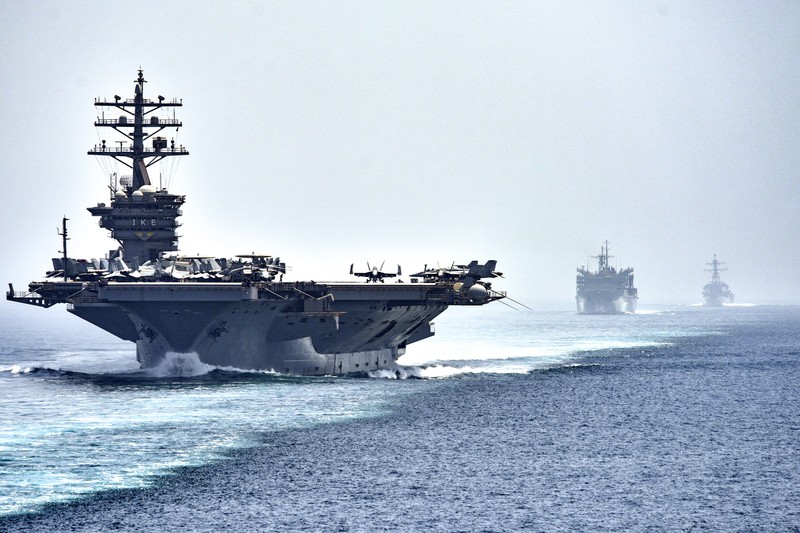
Three weeks into the most disruptive energy crisis since the 1970s, Iran is not lifting its blockade of the Strait of Hormuz. It is auctioning off exceptions — and Japan just got handed a ticket.
Iranian Foreign Minister Abbas Araghchi confirmed Friday that Tehran is prepared to facilitate Japanese vessel transit through the strait, telling Japan’s Kyodo News: “We have not closed the strait. It is open.” He added a qualifier that reframes the entire crisis: “It is closed only to ships belonging to our enemies.”
The statement, delivered in a telephone interview, follows a call earlier this week between Araghchi and Japanese Foreign Minister Toshimitsu Motegi, during which Tokyo raised concerns about Japanese vessels stranded in the Persian Gulf. Negotiations on the specifics are ongoing.
The Wedge
On its face, this is about shipping logistics. Beneath it, Tehran is running a diplomatic separation play.
Japan is a treaty ally of the United States. It signed a joint statement on March 19 alongside the UK, France, Germany, Italy, the Netherlands, and Canada condemning Iran’s attacks on commercial shipping and calling for safe passage through Hormuz. That same day, Prime Minister Sanae Takaichi met with President Trump, who pressed Tokyo for naval escort contributions to the US-led operation in the Gulf.
Japan agreed — becoming the first country to commit military escorts for cargo transiting the strait.
Now Iran is offering Tokyo the one thing that makes those escorts unnecessary: guaranteed safe passage. The implicit bargain is not subtle. Accept our terms, deal with us directly, and your oil keeps flowing. Stay in the American convoy, and you wait in line with everyone else.
90 Percent
The leverage is real. Japan sources over 90 percent of its crude oil imports from the Middle East, with roughly 74 percent of those shipments transiting the Strait of Hormuz, according to Japan’s Ministry of Economy, Trade and Industry. The closure since early March has already forced Tokyo to release 80 million barrels from its strategic petroleum reserves — the largest drawdown since the reserve system was established in 1978 — covering an estimated 45 days of consumption.
Oil prices surged to $126 per barrel at the peak of the disruption. Japan’s auto industry, built on just-in-time logistics, faces cascading production delays. The economic pressure on Tokyo is not theoretical.
Iran knows this. By offering Japan a bilateral arrangement, Tehran is testing whether energy dependence outweighs alliance solidarity.
The Guest List
Japan would not be the first country to accept Iran’s selective hospitality. Pakistan, India, and Turkey have all secured transit permissions in recent weeks. A Pakistani-flagged tanker became the first non-Iranian vessel through the strait since Iran announced the blockade on March 2, according to Al Jazeera. Two Indian LPG tankers followed shortly after. China, which purchases roughly 90 percent of Iranian oil exports, is in active negotiations for broader access.
The Islamic Revolutionary Guard Corps is reportedly developing a formal vetting and registration system to replace the current case-by-case approvals, according to Lloyd’s List — a sign Tehran expects this selective regime to last.
The pattern is clear: countries that buy Iranian energy or maintain independent foreign policies get access. Countries aligned with Washington do not. Iran is using Hormuz not as a weapon of war but as a sorting mechanism — separating those willing to engage bilaterally from those operating under the US security umbrella.
“Not a Ceasefire”
Araghchi’s framing of Iran’s broader demands is equally calculated. He told Kyodo that Tehran seeks “not a ceasefire, but a complete, comprehensive and lasting end to the war,” including guarantees against future attacks and compensation for damages. He characterized the US-Israeli strikes of February 28 as “illegal, unprovoked acts of aggression.”
This is maximalist language from a government whose military infrastructure has taken significant damage. By dictating terms publicly — demanding compensation, rejecting interim truces — Iran is attempting to project strength from a position of material weakness. The selective reopening of Hormuz serves the same purpose: it demonstrates that Tehran still controls the chokepoint, even as American and allied naval forces operate in the Gulf.
For Japan, the calculus is uncomfortable. Takaichi told reporters this week she would tell Trump what Japan “can and cannot do” in the Middle East — a phrase that leaves considerable diplomatic room. Tokyo can accept Iran’s offer, keep its oil flowing, and quietly reduce its commitment to the US-led coalition. Or it can reject the overture, stick with its allies, and watch its strategic reserves tick down.
Richard Haass, writing this week, argued that selective access through Hormuz cannot be tolerated — that the strait must be “open for all or closed to all.” The principle is sound. Whether it survives contact with $126 oil and a 45-day reserve clock is another question entirely.
Sources
- Iran says it will allow Japanese ships to transit the Strait of Hormuz — Al Jazeera
- Iran ready to help Japan ships pass through Strait of Hormuz, Araghchi says — South China Morning Post
- Strait of Hormuz: Which countries’ ships has Iran allowed safe passage to? — Al Jazeera
- Pres. Trump asks Japan for help with Iran operations — Hawaii News Now
- Joint statement on the Strait of Hormuz: 19 March 2026 — GOV.UK
- The Strait of Hormuz: It Must Be Open for All or Closed to All — Richard Haass
- Strait of Hormuz crisis tests Japan’s energy strategy, US alliance — CGTN