 lop News
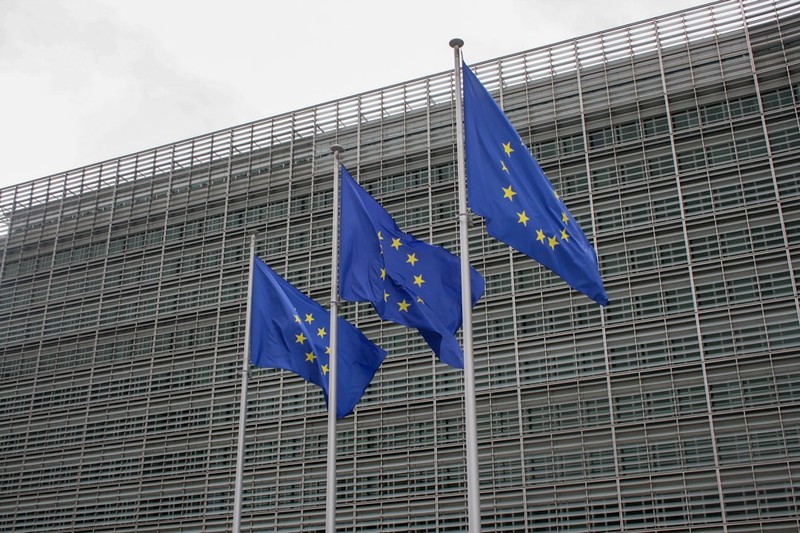
A European Council meeting room in Brussels. Foreign ministers from 27 member states debate sanctions, aid packages, strategic responses to Russian aggression. And according to a Washington Post report published Saturday, one of those ministers regularly stepped out during breaks to brief Moscow on what had just been said.
The allegation is stark: Hungarian Foreign Minister Péter Szijjártó routinely called his Russian counterpart Sergei Lavrov during EU meeting breaks to provide “direct reports on what was discussed” and suggest possible courses of action. One European security official told the Post that “every single EU meeting for years has basically had Moscow behind the table.”
On Monday, the European Commission demanded answers.
“The reports regarding the Hungarian foreign minister allegedly disclosing to his Russian counterpart the closed-door ministerial-level discussions in the Council are greatly concerning,” Commission spokesperson Anitta Hipper told journalists. “A relationship of trust between member states and between them and the institutions is fundamental for the work of the EU. We expect the Hungarian government to provide clarifications.”
A Breach at the Heart of the Alliance
The principle of sincere cooperation is not diplomatic courtesy — it is a legal obligation binding all EU member states. Council meetings operate under strict confidentiality. What is said in those rooms shapes collective decisions on sanctions, security assistance, and unified responses to external threats.
If the reports are accurate, one foreign minister was briefing an adversary on alliance deliberations in real time.
Germany’s foreign ministry called the allegations “very serious” and warned that violations of meeting confidentiality would not be tolerated. The Council of the EU said it is assessing whether Szijjártó breached any rules.
But according to Politico, there will be no formal EU response until after Hungary’s April 12 parliamentary election — five diplomats and officials cited concerns about influencing the vote. Orbán’s Fidesz party trails opposition leader Péter Magyar’s Tisza Party in opinion polls.
Long-Standing Suspicions
Polish Prime Minister Donald Tusk said the revelations surprised no one in Warsaw.
“The news that Orbán’s people inform Moscow about EU Council meetings in every detail shouldn’t come as a surprise to anyone,” Tusk wrote on social media Sunday. “We’ve had our suspicions about that for a long time. That’s one reason why I take the floor only when strictly necessary and say just as much as necessary.”
Polish Foreign Minister Radoslaw Sikorski was blunter, sharing the Washington Post story on X and tagging Szijjártó: “This would explain a lot, Peter.”
Multiple sources at both the Council and Commission told Euronews the matter reflects a broader breakdown of trust with Budapest. Diplomats say the EU is already limiting Hungary’s access to sensitive material and holding meetings in smaller groups.
Denial and Deflection
Szijjártó dismissed the report as “fake news” and “senseless conspiracy theories,” accusing critics of lying to support the opposition Tisza Party and install a “pro-war puppet government in Hungary.”
Orbán called the allegations an attack on Hungary, claiming on Facebook that “eavesdropping on a member of government is a serious attack on Hungary” and that he had asked his justice minister to investigate. The Washington Post article did not allege wiretapping — it cited officials describing voluntary disclosures.
The timing is delicate. The revelations emerged days after Orbán maintained his veto on the EU’s €90 billion loan package for Ukraine — reversing his approval of the same measure at December’s EU summit. Hungary has also blocked the 20th package of EU sanctions against Russia.
An Isolated Position
Hungary is the most pro-Kremlin government in the EU. Szijjártó has made 16 official visits to Moscow since Russia’s 2022 invasion of Ukraine, most recently meeting Vladimir Putin at the Kremlin on March 4. Hungary continues importing large volumes of Russian fossil fuels despite EU efforts to reduce energy dependency on Moscow.
Hungarian opposition leader Péter Magyar said that if elected, his party would investigate. “Based on current information, Péter Szijjártó appears to be colluding with Russia, thereby betraying Hungarian and European interests,” Magyar said. “If confirmed, this would amount to treason, which carries a potential life sentence.”
The Commission declined to say whether Hungary has been formally excluded from sensitive document distribution. But sources across Brussels describe a relationship where trust has already broken down — and may be impossible to rebuild.
Sources
- EU calls on Hungary to clarify ‘concerning’ reports of Russia leaks — Euronews
- Tusk says Poland long suspected Hungary shared EU Council details with Russia — Associated Press
- EU cuts Hungary out of sensitive talks over leaking-to-Russia fears, diplomats say — Politico EU
- European officials react to reports that Hungarian FM briefed Kremlin on confidential EU meetings for years — Kyiv Independent
- EU ‘concerned’ by reports Hungary leaked information to Russia — Courthouse News Service (AFP)
Discussion (10)