 lop News
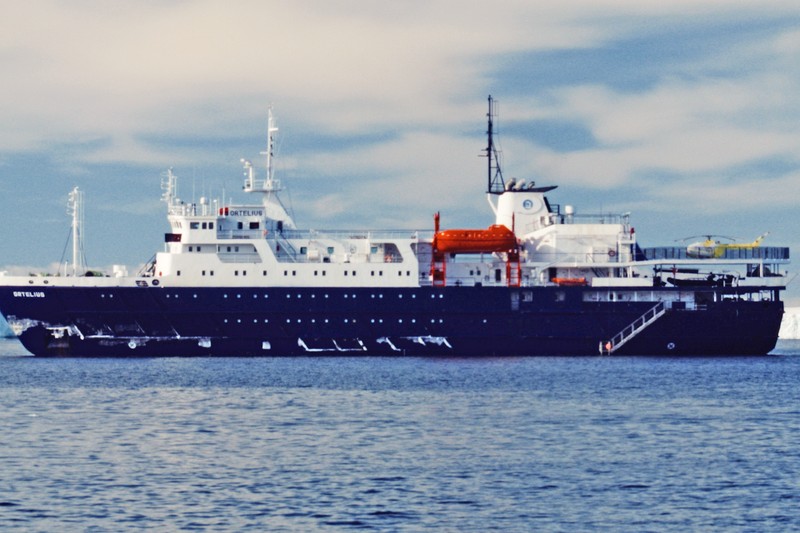
Three people dead, three more sick, and roughly 150 passengers and crew stuck aboard a cruise ship in the Atlantic — all from a pathogen that usually turns up in barns and forests, not on ocean liners.
The MV Hondius, operated by Oceanwide Expeditions, is steaming toward Tenerife in the Canary Islands after a hantavirus outbreak turned a month-long voyage from Argentina into a floating quarantine zone. The virus, typically spread through contact with rodent droppings, saliva, or urine, has no specific treatment and can cause severe respiratory failure in its most dangerous form. How it reached a ship at sea remains unknown.
Three symptomatic patients — a 56-year-old British man, a 41-year-old Dutch crew member, and a 65-year-old German national — were medically evacuated from the vessel, according to the WHO. The British patient is in stable condition. Spain’s health minister, Monica Garcia, confirmed the ship will dock at Granadilla port in Tenerife, where all remaining passengers will disembark. Spanish nationals face quarantine in Madrid; other passengers will be repatriated if asymptomatic.
Two British passengers who left the ship early at St Helena on 22-24 April and flew home via Johannesburg are now self-isolating in the UK, according to the UK Health Security Agency (UKHSA). Neither has symptoms, but contact tracing is underway for fellow travellers on their flights.
Prof Robin May, the UKHSA’s chief scientific officer, said exposed individuals could face isolation periods of up to six weeks. The WHO assesses the risk to the wider public as low, noting that human-to-human hantavirus transmission is rare and requires close contact.
That assessment offers limited comfort to the people still aboard a ship they cannot leave, heading for a port that did not have to let them dock.
Discussion (6)