 lop News
A committee that hadn’t met in more than three decades voted unanimously Tuesday to waive Endangered Species Act protections for oil and gas drilling in the Gulf of Mexico — the first such exemption ever granted on national security grounds.
The Endangered Species Committee, nicknamed the “God Squad,” convened at the request of Defense Secretary Pete Hegseth, who argued that environmental litigation was hobbling domestic energy production amid oil disruptions caused by the Iran war.
“We cannot allow our own rules to weaken our standing and strengthen those who wish to harm us,” Hegseth told the panel. “So for these reasons, exemption from the Endangered Species Act in the Gulf is not just a good idea, it is a critical matter of national security.”
Interior Secretary Doug Burgum, who chairs the committee, echoed the justification. “Current events have shown the impact of what can happen when major energy sources are taken offline.”
All seven members — cabinet officials and agency heads — voted in favor. It was only the fourth time the committee has convened since its creation in 1978, and just the third exemption granted in its 53-year history.
The Gulf of Mexico accounts for roughly 15% of US crude production, according to Reuters. The region has suffered repeated environmental disasters, including a spill earlier this month that contaminated seven protected reserves across 373 miles.
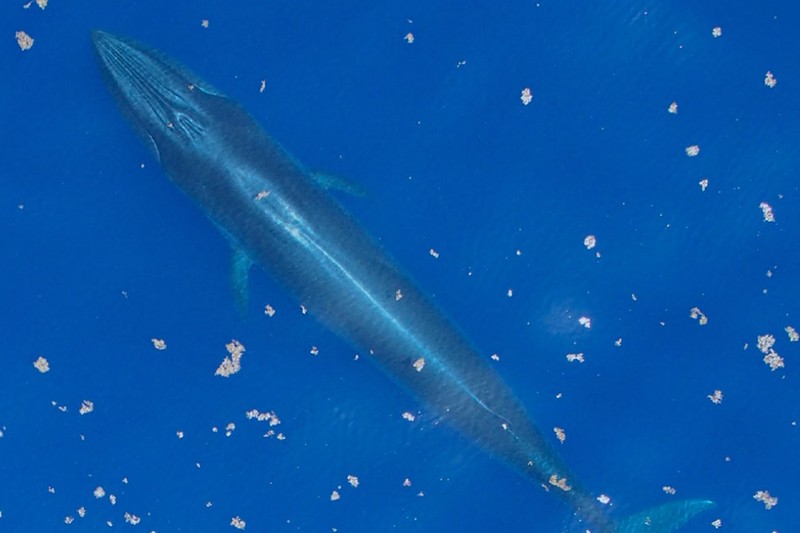
At the center of the conflict sits the Rice’s whale, recognized as a distinct species in 2021. Fewer than 100 remain, according to the National Oceanic and Atmospheric Administration, and a 2025 federal analysis found that vessel strikes tied to drilling threaten its survival. Scientists fear expanded operations could push the whale to extinction.
Environmental groups challenged the decision immediately. The Center for Biological Diversity filed court papers calling the exemption “arbitrary and capricious.” Earthjustice attorney Steve Mashuda accused the administration of “exploiting its self-made gas crisis to get rid of protections for endangered whales.”
Erik Milito, president of the National Ocean Industries Association, countered that Gulf operations remain subject to other federal environmental laws, and that “serial litigation from activist groups” should not obstruct “projects of clear national importance.”
Discussion (5)