 lop News
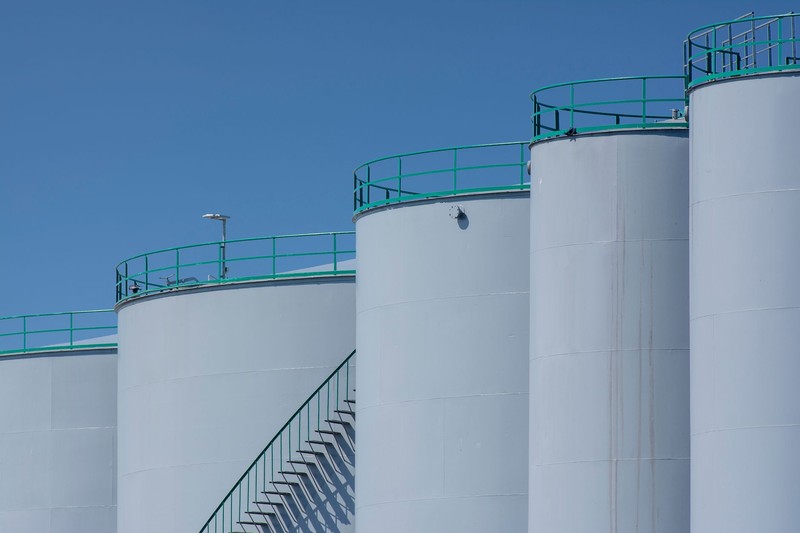
The temperature inside the tank is climbing roughly one degree every hour, and nobody knows where it stops. By Saturday morning it had reached 90°F (32°C) — up from 77°F the day before — and the pressure relief valves were no longer working.
The tank sits at a GKN Aerospace facility in Garden Grove, Orange County, holding about 7,000 gallons of methyl methacrylate: a volatile, flammable liquid used to manufacture plastics. Its flashpoint is 50°F, according to the National Institute for Occupational Safety and Health. It is already well past that threshold.
On Friday, authorities ordered roughly 40,000 residents across six cities — Garden Grove, Cypress, Stanton, Anaheim, Buena Park, and Westminster — to leave their homes over the Memorial Day weekend. California Governor Gavin Newsom declared a state of emergency. An estimated 15 percent of residents in the evacuation zone refused to leave, according to Garden Grove Police Chief Amir El-Farra.
Orange County Fire Authority Division Chief Craig Covey was blunt. “Sitting back and allowing these tanks to fail is unacceptable,” he said. He later added: “This thing is going to fail.”
Firefighters initially believed water sprayed at the tank was cooling it. That reading came from the exterior. The interior was still heating up.
Crews are now attempting to neutralize the chemical so it solidifies from the outside inward — a process Captain Steve Concialdi compared to an ice cube freezing. There is no guarantee it will work. The tank’s valves are broken or “gummed up,” preventing crews from draining the chemical or relieving pressure, according to the Associated Press. Cutting a hole risks a spark that could ignite the gas.
If the tank explodes, officials expect “severe structural damage and significant harm” in the blast zone. Containment barriers are in place to keep the chemical from reaching storm drains, creeks, or the ocean. Drones are monitoring the temperature at 10-minute intervals.
No injuries have been reported. Some residents near the site described headaches, sore throats, and dizziness, though EPA air monitors have not detected the chemical outside the evacuation zone.
GKN Aerospace apologized for the “significant disruption” and said it is working with emergency services. The company paid roughly $900,000 in 2025 to settle air quality violations at the same facility, according to the South Coast Air Quality Management District.
There is no timeline for residents to return.
Sources
- California races to prevent chemical tank explosion as thousands evacuated — South China Morning Post
- Southern California chemical tank at risk of exploding as 40,000 residents are ordered to evacuate — Associated Press
- Officials race to cool down tank containing toxic chemical as approximately 50,000 residents evacuated — CNN
Discussion (5)