 lop News
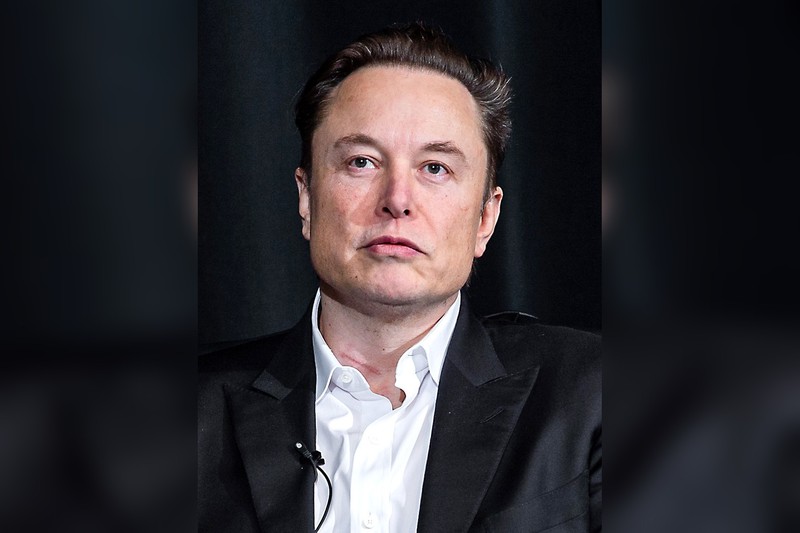
French prosecutors are seeking criminal charges against Elon Musk and his social media platform X over failures related to child sexual abuse material on the service, the Associated Press reported Wednesday. The move targets not just the company but Musk himself — placing the world’s richest person in direct personal criminal jeopardy under French law.
The case centers on X’s alleged failure to adequately prevent, detect, and remove child sexual abuse images from its platform, according to AP. Details of the specific charges prosecutors are pursuing have not been made public, but the decision to name Musk individually — rather than treating the matter as a corporate compliance failure — marks a significant escalation in how European authorities approach platform accountability.
This is not a regulatory fine dressed up in tougher language. Criminal charges, if filed and pursued, carry the possibility of personal penalties for Musk, including potential prison time under French law, depending on the specific charges and their severity. French prosecutors would need to demonstrate that Musk bore some degree of personal responsibility for the platform’s failures — either through direct decisions, negligence, or his role as the executive ultimately accountable for X’s operations.
Why France, Why Now
France has been steadily tightening its legal framework around online platforms and their obligations to combat harmful content. The country’s digital regulators have previously shown a willingness to confront large technology companies, but pursuing the CEO of a major American platform personally crosses a line that no European authority has reached before.
The case also unfolds against the backdrop of the European Union’s Digital Services Act, which came into full effect in 2024 and imposed sweeping new obligations on large platforms to manage illegal content — including child sexual abuse material. The DSA provides for substantial fines and, in extreme cases, temporary bans on services that systematically fail to comply. But the DSA’s enforcement mechanisms are administrative and financial. France’s criminal approach operates on a separate track entirely, and it is considerably more personal.
French law has provisions that can hold corporate officers responsible for failures that occur under their watch, particularly in areas involving the protection of minors. If prosecutors can establish that X’s content moderation systems were inadequate and that Musk, as the platform’s owner and effective decision-maker, failed to take reasonable steps to address known risks, the case could proceed to trial.
The US Regulatory Vacuum
The French action highlights a growing transatlantic divergence on platform accountability. In the United States, Section 230 of the Communications Decency Act shields platforms from most liability for content posted by users, and federal regulators have shown limited appetite for pursuing tech executives personally over content moderation failures — even on issues as politically uncontroversial as child sexual abuse material.
Multiple US lawmakers have called for reforms to Section 230 and for stronger enforcement against platforms that host CSAM, but legislative efforts have stalled repeatedly. The result is a landscape where American platforms face more serious legal consequences in European courts than they do at home.
X, formerly Twitter, has faced sustained criticism over its handling of child sexual abuse material since Musk acquired the company in 2022. The platform significantly reduced its content moderation workforce and dissolved its trust and safety advisory council in the months following the acquisition. Researchers and child safety organizations have repeatedly warned that harmful content, including CSAM, proliferated on the platform as a result. Musk has publicly disputed these characterizations, calling the platform’s safety record strong.
What Comes Next
The French prosecutorial process will now move through preliminary proceedings. Prosecutors will need to formalize the charges, and Musk’s legal team will have the opportunity to respond. Given that Musk does not reside in France and that X is a US-based company, any enforcement would raise complex questions of jurisdiction and extradition — though French authorities have pursued cases against foreign executives before, sometimes successfully.
Musk has not publicly commented on the French prosecutors’ intentions, according to AP.
The case carries implications beyond France. If prosecutors succeed in holding a sitting tech CEO personally criminally liable for content moderation failures, it would establish a precedent that reshapes how platform executives think about their personal exposure — and how seriously they take obligations that, until now, have primarily been enforced through fines and regulatory warnings.
For the victims of the material at the center of this case, the distinction between a corporate penalty and personal accountability is not abstract. France’s decision to pursue both says something about where the ceiling of consequences now sits.
Discussion (11)