 lop News
Five days. That is the window Donald Trump has bought himself — and the world — after postponing US military strikes on Iranian power plants that had been slated to begin within hours.
The US president announced Monday that he had instructed the Department of Defense to hold off on any attacks against Iranian energy infrastructure, citing “very good and productive conversations” with Tehran over the preceding 48 hours. The pause, he said on Truth Social, remains “subject to the success of the ongoing meetings and discussions.”
The statement came just as Trump’s 48-hour ultimatum — demanding Iran reopen the Strait of Hormuz or face the “obliteration” of its power plants — was set to expire. What changed between Saturday’s threat and Monday’s reprieve depends on whom you ask.
A dialogue of contradictions
The Iranian foreign ministry offered a starkly different account. There has been “no dialogue” between Tehran and Washington, state-affiliated media reported Monday. Trump’s statements, the ministry said, were merely “part of efforts to reduce energy prices and buy time to implement his military plans.”
This much is clear: multiple countries have been passing messages between Washington and Tehran. Turkey, Egypt, and Oman have all been involved in the shuttle diplomacy, according to sources familiar with the discussions. Oman’s foreign minister, Badr Albusaidi, said his country was “working intensively” to arrange safe passage for vessels through the strait.
What remains unclear is whether any genuine progress has been made toward what Trump called a “complete and total resolution of our hostilities in the Middle East” — or whether this is simply both sides stepping back from a precipice neither wanted to cross.
What each side gains from the pause
For Trump, the breathing room serves multiple purposes. Oil prices had surged past $113 a barrel on Monday, and US gasoline prices have soared since the conflict began. The mere announcement of a pause sent Brent crude tumbling 13 percent to below $99. Global markets rebounded in response.
For Iran, the postponement removes the immediate threat of attacks on power infrastructure — a red line Tehran had vowed would trigger retaliation against energy facilities across the Gulf region. Iran’s Defense Council warned Monday that any attack on Iranian coasts or islands would result in the mining of “all access routes in the Gulf,” effectively expanding the blockade beyond the strait.
Both sides, then, have an interest in preventing the immediate escalation that attacking power plants would have triggered.
The allies not on the same page
Not everyone appears to be on board with the pause. The Israeli military announced Monday it was conducting strikes on targets in the “heart of Tehran” — moments after Trump posted about productive conversations. The disconnect between Washington’s diplomatic maneuvering and Jerusalem’s military campaign underscores one of the many complications in reaching any resolution.
Meanwhile, the economic damage continues to mount. Fatih Birol, head of the International Energy Agency, warned Monday that the global economy faces a “major, major threat” from the conflict. The crisis, he said, is worse than the combined oil shocks of the 1970s — with 11 million barrels per day of supply lost, compared to 10 million during those two crises combined.
“No country will be immune to the effects of this crisis if it continues to go in the direction,” Birol told Australia’s National Press Club.
When the clock runs out
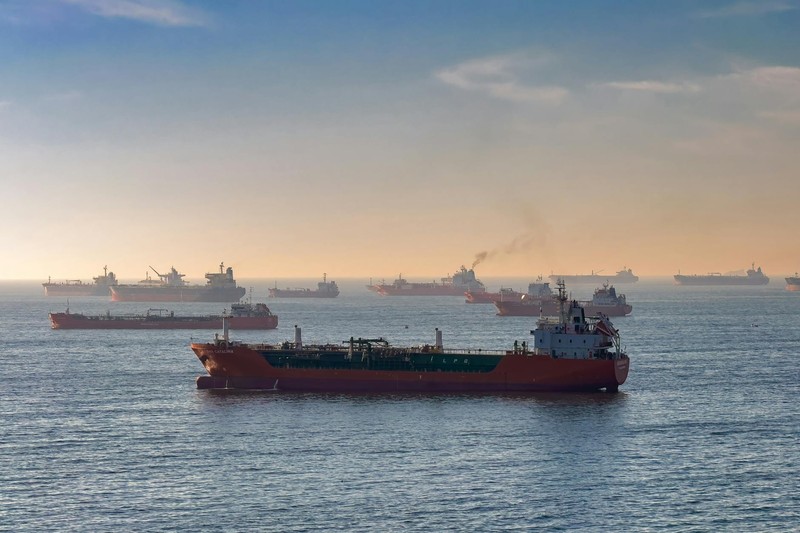
The five-day window gives diplomats time to work, but it does not change the fundamental dynamics. The Strait of Hormuz remains effectively closed, with roughly 20 percent of global oil and liquefied natural gas supplies cut off. Iran has shown no public indication it will reopen the waterway without guarantees — and Trump has shown no indication he will accept anything less.
If talks fail, the threats remain: US strikes on Iranian power plants, Iranian retaliation against Gulf energy infrastructure, and the potential mining of the entire Persian Gulf. The pause has bought time, but not a solution.
Five days. The clock is now running.
Sources
- Trump postpones military strikes on Iranian power plants for five days — Al Jazeera
- Trump postpones strikes on Iranian power plants for a five day period — The Guardian
- Trump postpones strike threat as Iran denies dialogue with US — CNN
- Iran war: Trump extends deadline in Iran ultimatum — Deutsche Welle
- Trump delays striking Iran’s power plants for 5 days, citing ‘productive’ talks — NPR
- Oil falls and shares rebound after Trump says talks have been held to end war — BBC News
Discussion (10)