 lop News
Roughly 75 percent of people living with dementia worldwide — some 41 million people — have never been formally diagnosed. Those who do get a diagnosis wait an average of three and a half years after cognitive symptoms first appear, according to University College London. A blood test that just won European approval could begin to shrink both numbers.
Roche’s Elecsys pTau217, developed with Eli Lilly, received the CE Mark on May 11, making it the first blood test cleared in Europe to both confirm and rule out Alzheimer’s disease. It detects phosphorylated tau 217, a protein strongly linked to the amyloid plaque buildup that defines the condition.
Until now, confirming Alzheimer’s pathology required either a lumbar puncture to extract spinal fluid or a positron emission tomography (PET) brain scan — procedures that are expensive, often inaccessible, and, in the case of spinal taps, genuinely unpleasant. General practitioners could not order either one during a routine visit.
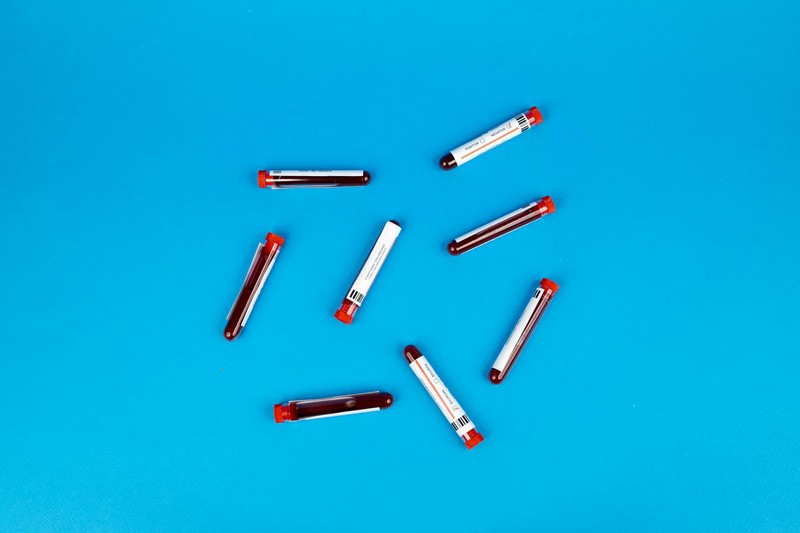
The pTau217 test changes that equation. A standard blood draw, performed in primary care, can now flag likely Alzheimer’s or effectively exclude it. High levels of the protein signal probable amyloid plaques; low levels let doctors rule out Alzheimer’s and spare patients further invasive testing.
Matt Sause, CEO of Roche Diagnostics, said the test addresses a “long and difficult path to a diagnosis, often relying on specialised care and costly procedures.”
The CE Mark was granted based on retrospective studies of patients in the earliest stages of cognitive decline — subjective cognitive decline, mild cognitive impairment, and mild dementia — the window where intervention has the greatest potential to slow progression.
This is Roche’s second Alzheimer’s blood test approved in Europe. The first, detecting a different tau protein, received clearance last July but was designed primarily to rule out the disease rather than confirm it.
Discussion (6)