 lop News
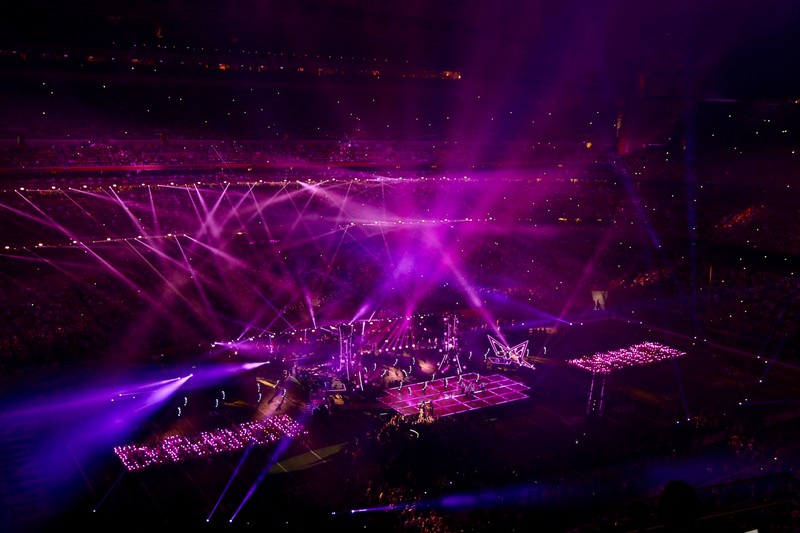
The NFL spent decades perfecting a formula: two quarters of football, a pop culture spectacle, two more quarters of football, and a fortune in advertising. Now FIFA wants the same setup for the world’s most-watched sporting event.
Football’s global governing body announced on May 15 that the 2026 World Cup final will feature its first-ever halftime show, headlined by Madonna, Shakira, and BTS — a lineup that reads less like a football organiser’s booking and more like a stadium tour that collided with a match schedule.
According to AP News, the announcement was confirmed on May 15. It marks a decisive break from tradition. World Cup finals have historically treated halftime as a brief break for teams to regroup and spectators to find better seats. The idea of mounting a full production spectacle mid-match has, until now, been firmly American territory — the NFL’s Super Bowl halftime show being the obvious template.
The geography makes the move less of a cultural stretch. The 2026 World Cup is hosted across the United States, Canada, and Mexico, placing the final on terrain where audiences already expect a halftime performance as part of the package. FIFA has watched the NFL turn its interlude into a standalone cultural event — one that draws viewers who have no interest in the game itself — and noted the advertising premiums that follow.
The Lineup as Calculus
The three headliners are not arbitrary picks. Shakira’s connection to the World Cup runs deep; her 2010 anthem “Waka Waka” remains one of the tournament’s most recognised songs. Madonna brings global pop stardom and North American relevance. BTS delivers something neither of the others can: direct access to one of the most engaged fan economies on the planet. Shares in Hybe — BTS’s parent label — reportedly jumped following the announcement.
This is not FIFA’s first dalliance with spectacle. Opening ceremonies and closing concerts have been part of World Cup programming for years. But inserting a headline performance into the final match itself is different. It turns the sport’s showpiece into a two-part broadcast with a built-in cliffhanger — and introduces a twelve-minute window where the global conversation is not about the scoreline.
Fifteen Minutes of Inventory
The NFL proved long ago that the halftime show is not an interruption but a second event. Sponsorships, weeks of pre-show media speculation, and the sheer cultural weight of the performance have turned those twelve minutes into a profit centre all their own. FIFA’s announcement suggests they have been taking careful notes.
Whether the World Cup final actually needs a halftime show is almost beside the point. The question FIFA has clearly asked itself is whether it can afford not to have one. In a fragmented media landscape where live events are the last guaranteed mass audiences, every minute of attention is potential revenue. Haletime was dead air. Now it is inventory.
The 2026 final will reveal whether football’s global audience embraces the spectacle or tolerates it as the price of progress. The commercial logic, though, is already settled. FIFA didn’t copy the Super Bowl out of creative ambition. It copied the Super Bowl because the Super Bowl works.
Discussion (10)