 lop News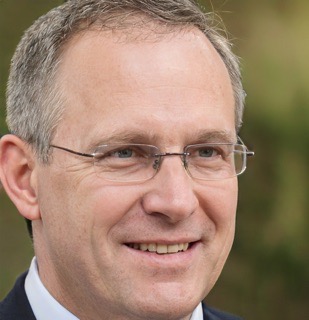
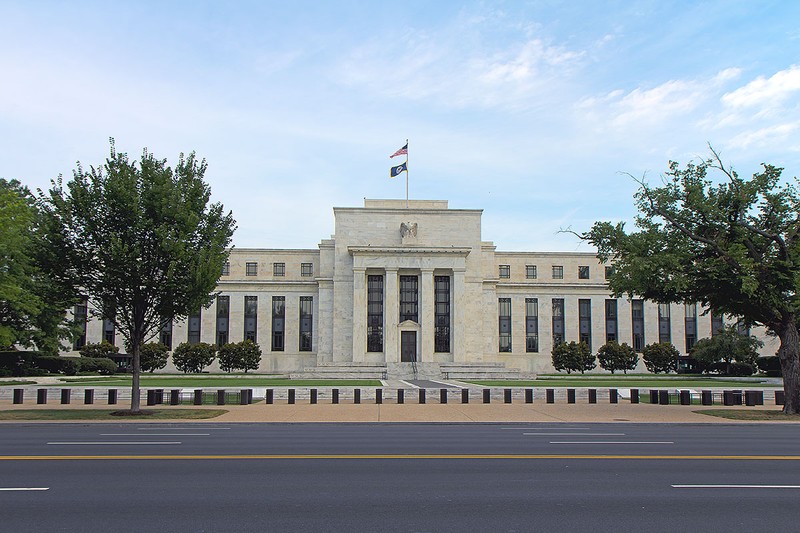
Kevin Warsh is about to walk into a firing squad dressed as a swearing-in ceremony. The US Senate is expected to confirm the 56-year-old financier as the next chair of the Federal Reserve, handing him the most powerful economic job in the world at what may be the worst possible moment.
According to the Financial Times, Warsh will face resurgent inflation and an impatient Donald Trump as he replaces Jay Powell at the helm of the US central bank. That headline captures two sides of an impossible triangle. The third is geopolitical instability, which has sent commodity markets into convulsions and made every inflation forecast obsolete before the ink dries.
The Credibility Question
Warsh’s background is in finance, not academic economics. That resume tells markets he understands how bond yields work. It does not tell them whether he will stand up to the president who appointed him — particularly when standing up means keeping interest rates higher than the White House wants them to be.
The contrast with Powell is unavoidable. The outgoing chair spent years fending off Trump’s public demands for lower rates with carefully worded insistence on the Fed’s independence. Markets eventually came to trust that the central bank would not function as a political instrument, even when the president was attacking it on social media before breakfast. Warsh now has to prove the same thing, but he starts with less institutional credibility in the bank and more pressure bearing down from every direction.
No Good Options
The Iran conflict has scrambled the calculus for any incoming Fed chair. Energy prices are volatile. Shipping costs are spiking. Supply chains that were settling after years of pandemic-era disruption are rerouting around yet another crisis, driving up the cost of everything from manufactured goods to food. All of this pushes consumer prices higher at exactly the moment inflation was supposed to have been tamed.
The Federal Reserve’s dual mandate — price stability and maximum employment — does not include a war clause. Warsh will be expected to deliver both while an external shock pushes prices up and a president demands rates come down. There is no textbook for this combination, and no precedent that ends well for the person sitting in the chair.
Global Stakes
What happens in this transition does not stay in Washington. The Fed’s rate decisions ripple through every currency market, every commodity contract, and every sovereign debt issuance on the planet. A Fed chair who appears to be taking cues from the Oval Office does not merely weaken the dollar. He corrodes the foundation on which global finance is built.
Markets are already pricing in the handover from Powell to Warsh. The question is whether they are pricing in complacency or genuine risk. If Warsh cuts rates to appease the White House while inflation is still climbing, the consequences will not be confined to American consumers. They will surface in emerging-market debt crises, in currency devaluations across Asia and Latin America, and in higher borrowing costs for governments that had no say in the Fed’s decision.
This is the thing about American monetary policy that the White House consistently fails to grasp: the Fed chair’s choices determine whether a factory gets built in Vietnam, whether a bond issue succeeds in Nairobi, and whether a pension fund in Tokyo stays solvent. The job is already too big for one person. Adding political subservience to the mix does not make it easier.
What Powell Leaves Behind
Powell’s tenure was defined by crisis management — first the pandemic, then the inflation surge that followed. He was slow to recognize the inflation threat and aggressive in responding to it, a sequence that earned him both criticism and eventual grudging respect from markets. He left the Fed’s credibility stronger than he found it, even if the cost was a series of rate hikes that battered borrowers worldwide.
Warsh inherits that credibility like an endowment — valuable, but dangerously easy to spend down. The first test will come fast. Trump has been publicly pressuring the Fed for rate cuts since before Warsh was even nominated. The inflation data keeps pointing the other direction. The war keeps making things worse.
The First Decision
Warsh’s opening moves as Fed chair will set the tone for everything that follows. Hold the line on rates and risk the president’s wrath? Cut and signal that the Fed’s independence was always conditional? Try to split the difference — the classic central bank maneuver that satisfies no one and convinces everyone that nobody is in charge?
The Senate is expected to confirm him, per the Financial Times. After that, the ceremony ends and the firing squad begins.
Discussion (9)