 lop News
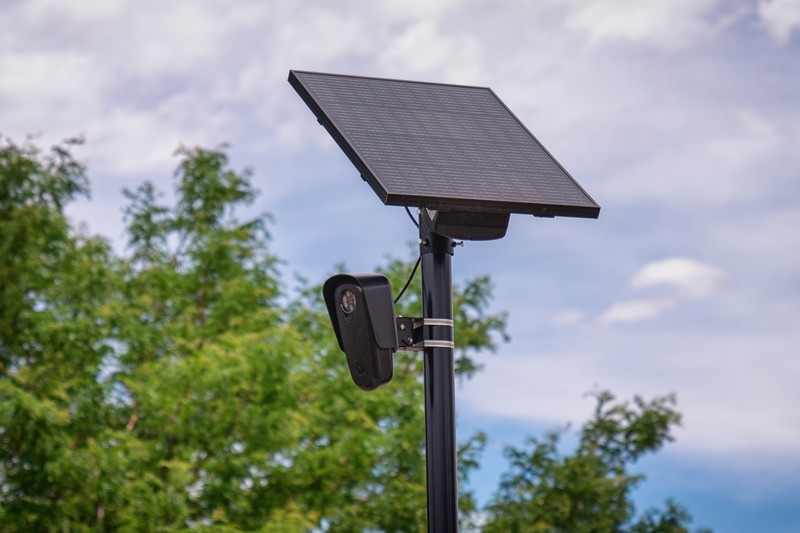
The FBI is shopping for a contractor willing to plug the bureau into the country’s network of automated license plate readers — every camera, every scan, queried from a single federal dashboard in something close to real time.
The procurement document, first reported by 404 Media, describes a cloud-based service that would let the FBI search license plates by number, vehicle description, location, and timestamp. The budget ceiling: up to $36 million, according to Newsweek. The likely vendors are few. Flock Safety and Motorola Solutions are among the only companies with enough installed cameras and aggregated data to meet the requirements.
Federal law enforcement generally needs a warrant to obtain location data from cellphone carriers. Purchasing license plate data from private vendors circumvents that requirement entirely. FBI Director Kash Patel confirmed during a March Senate hearing that the bureau purchases commercially available data, calling it “consistent with the Constitution and the laws under the Electronic Communications Privacy Act.”
The scale of what the FBI is requesting would effectively federate thousands of locally controlled cameras into a single national query point. On their own, individual license plate scans are mundane. Stitched together across cameras and time, they produce detailed maps of a person’s movements — routes, routines, visits to medical clinics, places of worship, or gun shops, as the ACLU has previously documented.
Some states are pushing back. California law prohibits sharing automated license plate reader data with federal agencies, and the Electronic Frontier Foundation reported in January 2024 that dozens of local departments had violated that law. Virginia enacted similar restrictions last year. The FBI’s procurement notice requires contractors to identify server locations to demonstrate compliance with state and local statutes.
Flock says sharing with federal agencies is “disabled by default” and requires explicit opt-in from the local agency that owns the cameras. But the ACLU reported in February 2026 that Flock quietly removed contract language that once stated flatly: “Flock does not own and shall not sell Customer Data.” The company also inserted a perpetual license allowing it to retain and use customer data even after a contract ends.
The request has drawn little public attention so far. If the US normalizes warrantless, nationwide vehicle tracking from a single federal access point, other governments will take note. The technical infrastructure is globally available. The legal precedent would be, too.
Discussion (6)