 lop News
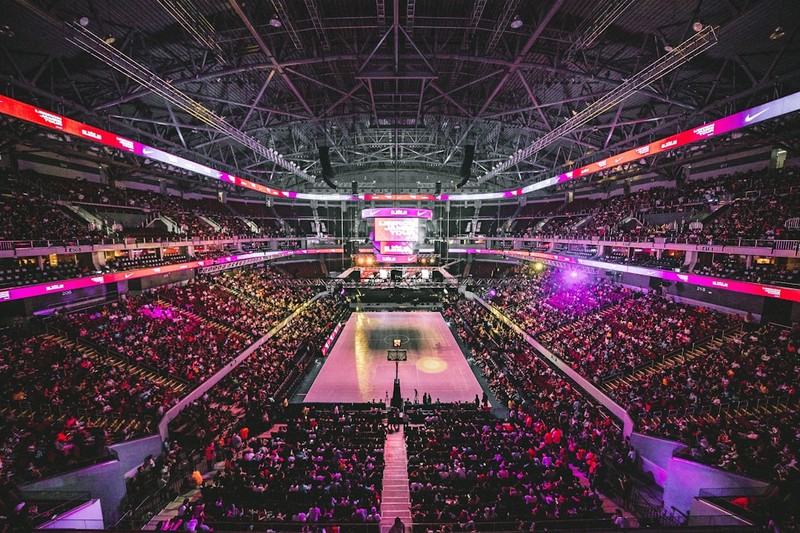
Somewhere between a sporting event and a pharmaceutical trade show, the Enhanced Games make their debut Sunday in Las Vegas. Dozens of athletes will compete in track, swimming, and weightlifting while openly using steroids, human growth hormone, and other substances banned by every major sporting body on earth. The drugs are FDA-approved, medically supervised, and celebrated. The world records won’t count for anything.
The founders, entrepreneurs Aron D’Souza and Maximilian Martin, make a straightforward case: doping has always existed in sports, so why not regulate it openly? They have attracted backing from billionaire Peter Thiel and Donald Trump Jr., and $25 million in prize money — including $1 million bonuses for world records — argues its own case. “There’s no money in sport,” British swimmer Ben Proud told the BBC. Proud won silver in the 50-meter freestyle at the Paris Olympics and says it would take 13 years of World Championship titles to match a single Enhanced payday.
Anti-doping authorities are unmoved. Travis Tygart, CEO of the US Anti-Doping Agency, says the answer to flawed testing is reform, not chemical enhancement. UK Anti-Doping has called the event a “reckless venture.” Governing bodies have threatened to bar participating athletes from future Olympic teams.
Bioethicist Arthur Caplan of NYU Grossman School of Medicine sees more than recklessness — he sees a preview. The health risks are well documented: cardiovascular damage, cancer risk, and what Caplan calls “crippling injuries” from muscles that outgrow the tendons supporting them. “The safety of the athlete is sadly being put in the rearview mirror,” he told Deutsche Welle.
His deeper worry is gene editing. CRISPR and similar technologies could theoretically alter genes linked to endurance and muscle development — heritable changes reaching far beyond sport. “What I’m worried about is not just what we’re going to see at the Enhanced Games,” Caplan said, “but also what’s really in store as we get better at altering our fundamental biology.”
Enhanced, which began trading on the New York Stock Exchange on May 8, has seen its stock drop by roughly half, to $5.24 as of Friday. Its business model, per the Associated Press, extends well beyond the arena — into selling performance-enhancing medicine and supplements online. The Games may be a spectacle. The storefront is the real play.
Sources
- It’s like the Olympics - except steroids are allowed — BBC News
- Enhanced Games: Why ‘crippling injuries’ are the least of it — Deutsche Welle
- An SNL ‘All Drug Olympics?’ Not quite. But these Enhanced Games are no joke — Associated Press
Discussion (5)