 lop News
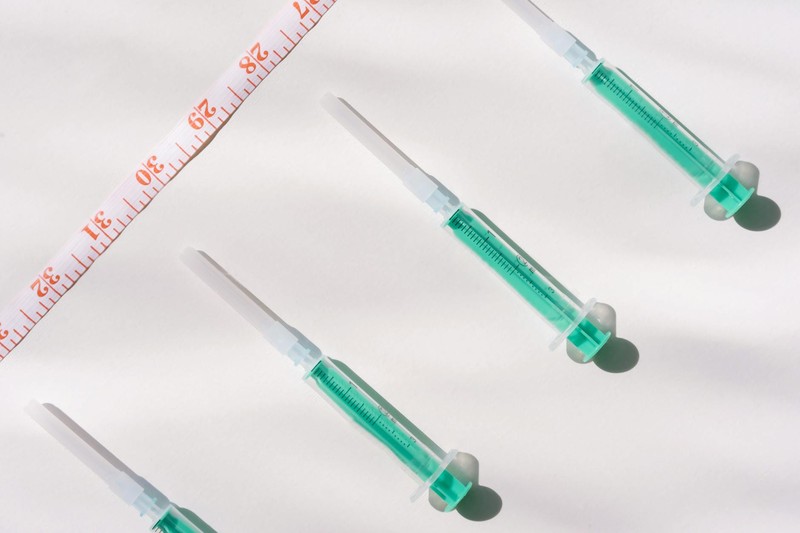
Seventy pounds. That is what participants on the highest dose of retatrutide lost on average over 80 weeks in Eli Lilly’s Phase 3 TRIUMPH-1 trial — roughly 28% of their starting body weight. For participants with a BMI of 35 or higher who continued in a study extension to 104 weeks, the figure climbed to 85 pounds, or 30.3%.
These are numbers that, until recently, belonged exclusively to bariatric surgery. Dan Skovronsky, Lilly’s chief scientific and product officer, was blunt about the significance. “We haven’t seen that level of weight loss before with these kinds of medicines,” he told CNBC.
A New Class of Drug
To understand why retatrutide outperforms everything currently on pharmacy shelves, look at the receptors it targets. Novo Nordisk’s semaglutide — sold as Wegovy for obesity and Ozempic for diabetes — mimics a single gut hormone called GLP-1, which regulates appetite and blood sugar. Lilly’s tirzepatide — sold as Zepbound for weight loss and Mounjaro for diabetes — goes a step further, mimicking both GLP-1 and a second hormone called GIP.
Retatrutide adds a third target: glucagon. Produced by the pancreas, glucagon increases energy expenditure. The combination of all three — earning the drug its “triple G” nickname — appears to produce a more potent effect on both appetite suppression and metabolism than any existing treatment.
The trial data bears this out. Wegovy users typically lose 14% to 19% of body weight over 64 to 72 weeks, according to The Guardian. Zepbound users see 15% to 20% over 72 weeks. Retatrutide’s lowest tested dose — 4 mg, reached after just a single dose escalation step — matched or exceeded those figures at 19% over 80 weeks.
The 12 mg dose entered altogether different territory. Among 2,339 participants with obesity or overweight and at least one weight-related comorbidity, 45.3% on the highest dose lost 30% or more of their body weight. More than 65% dropped below a BMI of 30, the clinical threshold for obesity — including 37.5% of those who began the trial with class 3 obesity, defined as a BMI of 40 or higher.
“This is the largest weight loss I’ve ever seen in any medication trial,” Dr. Susan Spratt, an endocrinologist and senior medical director at Duke Health, told NBC News.
The Tolerability Tightrope
Greater efficacy came with familiar trade-offs. Nausea affected 42.4% of participants on the highest dose, compared with 14.8% on placebo. Diarrhea, constipation, and vomiting all increased with dose. The discontinuation rate due to adverse events on 12 mg was 11.3% — higher than placebo’s 4.9%.
The 4 mg dose told a different story. Its discontinuation rate was 4.1% — actually lower than placebo. Skovronsky called that “remarkable to see,” and it raises the possibility that physicians could titrate patients to the dose that matches their clinical needs rather than defaulting to the maximum.
“For some patients, 30% weight loss may be more than what they’re seeking,” Skovronsky said. “For other patients, that may be what they need to get healthy.”
Lilly reported no cardiac or liver issues in the trial — a notable finding, given concerns that the glucagon component could affect heart rhythm. A higher rate of urinary tract infections was observed — more than 8% at the highest dose versus 5.3% on placebo — which Skovronsky suggested may be related to the speed of weight loss rather than the drug itself, noting the same effect is seen after bariatric surgery. Dr. Richard Siegel, an endocrinologist at Tufts Medicine Weight and Wellness clinic not involved in the research, confirmed that UTIs are not considered a known side effect of existing GLP-1 drugs like semaglutide or tirzepatide.
The $100 Billion Race
The obesity drug market is projected to reach roughly $100 billion by the 2030s, according to analyst estimates. Lilly held 60.1% of the US obesity and diabetes market in the first quarter of 2026, with Novo Nordisk at 39.4%, according to Lilly’s earnings presentation.
Retatrutide is central to Lilly’s plan to defend that lead. TD Cowen analysts estimated in a January note that the drug could generate $3.8 billion in sales by 2030. The company already markets Zepbound and its newly launched oral drug Foundayo; retatrutide would give it a third product line targeting different severity levels.
Novo Nordisk is scrambling to respond. In March 2025, the Danish drugmaker agreed to pay up to $2 billion for the rights to an experimental triple agonist from Chinese pharmaceutical company United Laboratories International. That compound uses the same three-pronged mechanism — but it is years behind in clinical development.
Lilly plans to submit retatrutide for regulatory approval by the end of 2026. Additional data from trials in patients with type 2 diabetes and established cardiovascular disease is expected later this year. The company is also testing the drug for obstructive sleep apnea, knee osteoarthritis, and liver disease.
Who Actually Gets It
The science is advancing quickly. The access question is not. Current GLP-1 drugs carry list prices near $1,000 per month in the US before insurance, and coverage remains inconsistent. Wegovy and Zepbound have both faced prolonged supply shortages. There is little reason to expect retatrutide — a first-in-class molecule with blockbuster revenue projections — to arrive at a discount.
As Dr. Mir Ali, medical director of MemorialCare Surgical Weight Loss Center, put it: “This medication is designed for people with significant weight to lose — not just for people with 5 to 10 lb to lose.” The question is how many of those people will be able to access it.
The trial was funded by Eli Lilly and the results have not yet been published in a peer-reviewed journal. Additional data will be presented at the 86th annual American Diabetes Association Scientific Sessions.
Sources
- Lilly’s triple agonist, retatrutide, delivered powerful weight loss in pivotal Phase 3 obesity trial — Eli Lilly and Company via Yahoo Finance
- Eli Lilly says next-generation weight loss drug clears crucial obesity trial — CNBC
- New weight-loss shot appears to outperform other obesity drugs on market — The Guardian
- Retatrutide Delivered Weight Loss Results on Par With Surgery in a New Obesity Trial — Everyday Health via MSN
Discussion (9)