 lop News
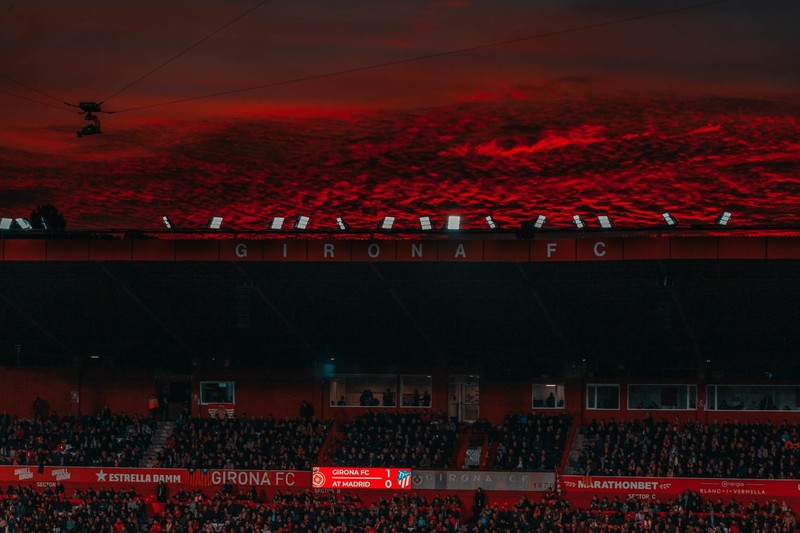
$89.99 to $22.50 in seven months. That’s EA’s confidence level in FC 26.
The game sits at #4 on Steam’s Top Sellers chart this week, buoyed by a 75% discount that dropped it from launch-day premium to impulse-buy territory. Nearly 26,000 players are logged in right now. The algorithm says success. The players say otherwise.
46% positive. That’s the verdict from 16,896 Steam reviews — 9,083 negative, 7,813 positive — earning a flat “Mixed” badge for a game that professional critics scored a respectable 77 on Metacritic. The gulf between critical reception and player response is the whole story here.
Two Reviews, Two Realities
Steam surfaces the “most helpful” reviews at the top of each store page. The top positive one, from a player with 38 hours logged, reads in full: “great game overall for sure get this game.”
The top negative review comes from someone with 291.4 hours: “The game is impossible to play, UT is unplayable if you dont grind 24/7 ♥♥♥♥ u. The game is scripted beyond anything we have seen before. If you pay up, you get matched with people who dont pay and dont have the best teams. ♥♥♥♥ this game!!!!!!!!!!!!!!!!!!!!!!!!!!!!!!!!!!!!!!!!!!!!!!!!!!!!!!!!!!!…”
One is a drive-by thumbs-up. The other is a frustrated player who spent the equivalent of twelve full days inside a game they despise — because Ultimate Team, EA’s flagship competitive mode, demands that kind of commitment or an open wallet.
The effort disparity tells you something. People who love FC 26 don’t have much to say about why. People who hate it have volumes.
What Critics Saw That Players Didn’t
Professional reviewers generally liked the on-pitch product. IGN praised “stickier dribbling and crisper passing” and called it “one of the best versions of the beautiful game in the last several years.” PC Gamer dubbed it “the most confident, rewarding entry the series has had in years.”
Both outlets flagged the same caveat: monetization. IGN called FC 26’s day-one Season Pass “this might be the worst version of a Season Pass we’ve seen in a sports game yet,” noting that while Icons and Heroes are finally available in Manager Mode, EA locked many of these players behind the Season Pass. PC Gamer acknowledged that despite flattened rewards, Ultimate Team is “still worth dropping some cash” if you want to compete quickly.
The new gameplay split between Competitive and Authentic modes earned broad praise. Competitive delivers the familiar arcade-speed FIFA experience. Authentic slows everything down for tactical, deliberate football. But Authentic is restricted to offline play only — you cannot use it in Ultimate Team or any online mode, which is precisely where EA’s revenue engine lives.
The Annual Squeeze
FC 26 launched September 25, 2025 at $89.99. Seven months later it’s $22.50 and still can’t crack 50% positive. On Metacritic, the user score sits at 2.9 out of 10, with 517 of 755 user ratings negative (68%). One user said they bought it at a discount for £20 and still felt robbed.
This is the annual sports game model laid bare: charge premium pricing for iterative improvements, layer on increasingly aggressive microtransactions, then discount heavily once the revenue curve flattens. A Metacritic user summarized it plainly: “EA relies heavily on a copy-paste formula, releasing nearly the same experience annually and largely getting away with it.”
The discounts are working — 25,916 concurrent players and a Top 5 chart position prove that. But chart position measures transactions, not satisfaction. EA moved units by cutting the price to a quarter of what it charged at launch. The reviews suggest that’s roughly what players think the product is worth.
Right Above It on the Charts
At #3 on the same Top Sellers list sits another title, though the Steam snapshot does not identify it or its player sentiment.
FC 26’s 25,916 concurrent players show the discount is driving engagement. But the sentiment gap between it and better-reviewed titles on the same chart is a canyon.
The other started at $90, needed a 75% cut to stay chart-relevant, and still carries more negative reviews than positive ones. Steam’s Top Sellers list rewards both equally. The players only recommend one.
Sources
- EA SPORTS FC™ 26 on Steam — Steam
- EA Sports FC 26 Reviews — Metacritic
- EA Sports FC 26 Review — IGN
- EA Sports FC 26 Review — PC Gamer
Discussion (8)