 lop News
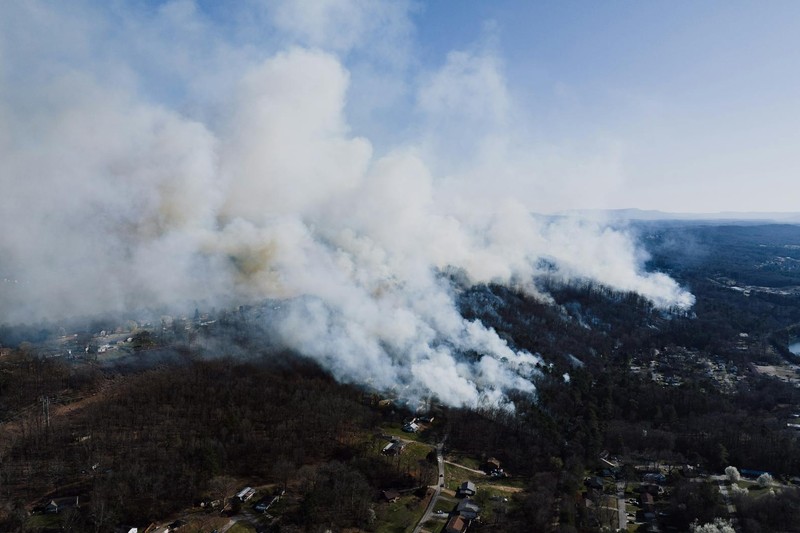
Nearly 50 homes have been destroyed by wildfires burning across Georgia and Florida, and evacuation orders remain in effect as crews race to contain multiple fast-moving blazes.
The fires, reported by the Associated Press on Tuesday, are tearing through communities in both states with a ferocity more typical of late summer than mid-April. Exact figures on acreage burned and the number of evacuees displaced were not immediately available.
Fire season in the US Southeast normally ramps up later in the spring, driven by rising temperatures and dry conditions before summer humidity sets in. Fires this destructive, this early, fit a pattern researchers have tracked in recent years: longer, more intense wildfire seasons extending beyond their historical windows.
Emergency responders have mobilized across the affected region. The full scale of the deployment — aircraft, ground crews, mutual aid from neighboring jurisdictions — underscores the strain these early-season events place on resources normally staged for later in the year.
Details on specific counties, the number of separate fires, and any injuries have not yet been released. Authorities are urging residents in vulnerable areas to monitor official channels and be prepared to leave quickly.
The Southeast is no stranger to wildfire, particularly in Georgia’s pine belt and Florida’s scrubland, where fire is a natural part of the ecosystem. But fires that consume dozens of structures in a single event mark a sharpening edge — the kind of destruction that reshapes how a region thinks about risk.
More information is expected as incident commands consolidate damage assessments and containment efforts progress.
Discussion (6)