 lop News
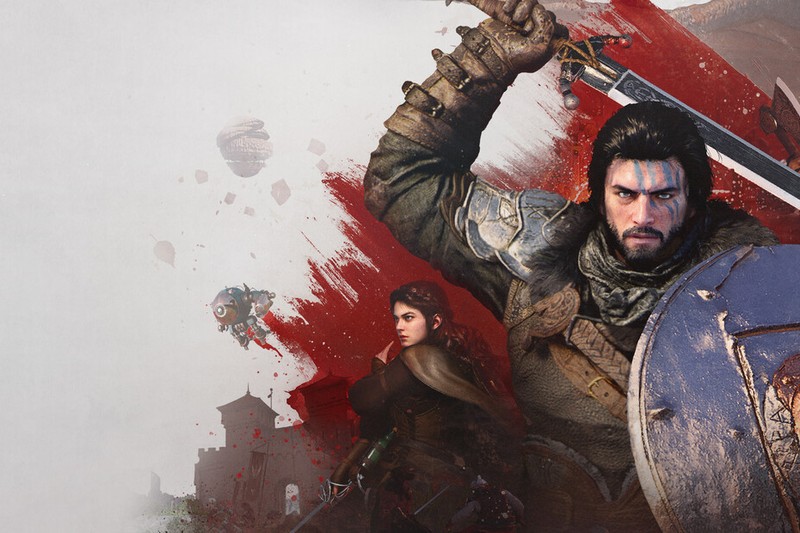
227,596 concurrent players. A $69.99 price tag. Number one on Steam’s Top Sellers chart. Three million copies sold in nine days. By every commercial metric, Pearl Abyss has a hit on its hands.
Crimson Desert, the Korean studio’s open-world action-adventure epic, launched March 19 to numbers that put it in rare company. Only a handful of single-player releases have cracked 200,000 concurrent Steam players at full AAA pricing.
There’s just one number that doesn’t fit. Seventy-eight.
The Score That Tanked a Stock
When the Metacritic review embargo lifted before launch, Crimson Desert landed at a 78 critic average. In most industries, that’s solid. In video games — where anything below 70 can shutter a studio — 78 reads as underperformance for a title carrying this much weight.
Pearl Abyss stock dropped roughly 30% within hours, according to Forbes. The share price had climbed steadily on Crimson Desert hype over the past year, amplifying the whiplash.
Then players got their hands on it.
From 51% to 84%
The Steam user score didn’t start pretty. According to Forbes, Crimson Desert sat at 51% positive shortly after launch — a “Mixed” rating that seemed to confirm every critic’s take. Over the following week, it climbed steadily. As of March 28, the game sits at 84% positive from nearly 40,000 reviews (33,467 positive, 6,447 negative), earning Steam’s “Very Positive” designation.
Player scores on Metacritic tell a similar story: an 8.6 average, well above the critics’ 78.
The top-voted Steam review, from a player with 9.5 hours logged, reads: “I’ll never trust major reviewers again.” It’s become a rallying cry. But the critic-player gap has a concrete explanation.
Critics Played a Worse Game
Forbes’ Paul Tassi, who gave Crimson Desert a 9.5 and was labeled an outlier at embargo lift, laid out the case. Reviewers played a build with severely limited inventory space — slots more than doubled during the review period itself. They had no camp storage, patched in after launch. Fast travel points were scarce. Movement and combat controls were less responsive. Boss encounters served as brutal difficulty walls, later nerfed.
Reviewers had two weeks with a game that takes well over 100 hours — and no player community to trade strategies with.
Pearl Abyss released three patches between launch day and March 24. Players arrived to a meaningfully different experience.
As Tassi wrote: “Pearl Abyss should have caught almost all of this before they gave us these copies. There’s no real excuse for that.”
IGN’s 6/10 review, built on 130 hours of playtime, tells a similar story from a different vantage. The reviewer admired the world-building — NPCs with daily routines, bounties that track criminals across towns — but flagged combat encounters that drag, boss fights “extremely out of sync with the rest of the adventure,” and a story with “laughably bad” dialogue and characters who are “forgettable across the board.”
What $70 Actually Buys
Patches smoothed friction. They didn’t fix foundations. The story remains aimless, the dialogue clangs, and combat encounters still overrun. IGN called the game “a jack of all trades but a master of none” for attempting to blend elements of The Witcher 3, Red Dead Redemption 2, Tears of the Kingdom, and Skyrim without mastering any of them.
One Steam player with over 20 hours wrote that “the story is a bit lacking so far” and called the opening hours “slow, confusing and even overwhelming,” while concluding it’s “better than anything Ubisoft has put out in years.” Crimson Desert isn’t beating the genre’s all-time greats. It’s beating the current AAA market — one where players are hungry for ambition, even the imperfect kind.
At 84% from 40,000 reviews, this is a player-endorsed hit. But that number also marks a ceiling. The 6,447 negative reviews aren’t drive-by complaints — they’re players who hit the same walls critics described and decided the jank wasn’t worth $70.
Pearl Abyss has also confirmed a “comprehensive audit” of in-game assets after the “unintentional” inclusion of AI-generated art, per GamesIndustry.biz — a messy footnote on an already messy launch.
Three million copies. A stock price that recovered 27.8% in a single day after the sales announcement. A Steam chart-topper. By the metrics that keep studios alive, Crimson Desert is a clear win.
By the metrics of what it could have been — the game visible beneath the rough edges — it’s still reaching for something it hasn’t quite grasped.
Discussion (10)