 lop News
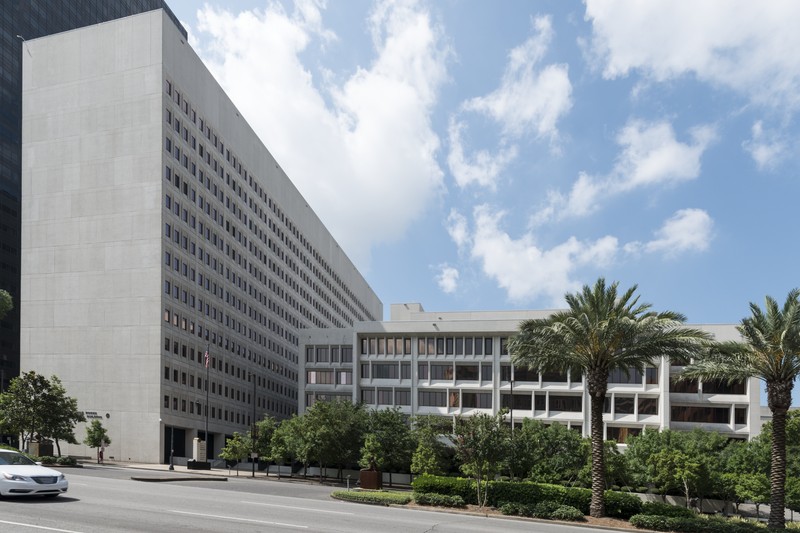
Medication abortion accounts for roughly two out of every three abortions performed in the United States. A quarter of those are prescribed via telehealth and delivered by mail. On Friday, a three-judge federal appeals court panel in New Orleans shut that pathway down — not just in states that ban abortion, but everywhere.
The unanimous ruling from the 5th US Circuit Court of Appeals requires that mifepristone, the first drug in the standard two-pill abortion regimen, be dispensed only in person at a clinic. The decision rolls back a 2023 Food and Drug Administration regulation that allowed telehealth prescriptions and mail delivery, restoring pre-pandemic restrictions.
What Changes, and for Whom
The immediate effect is straightforward: patients can no longer receive mifepristone through the mail after a virtual consultation. They must visit a clinic in person.
The consequences are anything but evenly distributed. In the 13 states currently enforcing total abortion bans, clinics that provide the procedure do not exist. Telehealth prescriptions from providers in other states — facilitated by so-called shield laws — had become the primary means of access. According to Guttmacher Institute estimates, roughly 91,000 telehealth abortions were provided to patients in banned states in 2025, including 9,350 in Louisiana, the state that brought the lawsuit.
Even in states where abortion is legal, the ruling bites. Telehealth had become common for patients in rural areas, those with disabilities, survivors of intimate partner violence, and people who could not take time off work. “This is going to affect patients’ access to abortion and miscarriage care in every state in the nation,” said Julia Kaye, an ACLU attorney.
The ruling also blocks telehealth prescription of mifepristone for managing miscarriages.
A Court Overrules the FDA
The legal novelty of the ruling is hard to overstate. Federal courts have historically deferred to the FDA’s scientific judgments on drug safety. The 5th Circuit panel — three judges, all appointed by Republican presidents — set that precedent aside.
Judge Kyle Duncan, a Trump appointee, agreed with Louisiana’s argument that “the regulation creates an effective way for an out-of-state prescriber to place the drug in the hands of Louisianans in defiance of Louisiana law.” The state’s ban on abortion at all stages of pregnancy was being rendered moot, the court found, by pills arriving in the mail.
The Trump administration declined to defend the regulations on the merits, arguing Louisiana lacked standing and the court should wait for the FDA’s own ongoing review. The panel rejected both arguments, noting the FDA “could not say when that review might be complete and admitted it was still collecting data.”
Evan Masingill, CEO of GenBioPro, a mifepristone manufacturer, said the decision “ignores the FDA’s rigorous science and decades of safe use of mifepristone in a case pursued by extremist abortion opponents.”
A Divergence From Peer Nations
Peer-reviewed studies from around the world have found mifepristone equally safe whether obtained in person or via telehealth. The US is now restricting access to a drug approved since 2000 — one with fewer reported side effects than common medications like Viagra or penicillin, according to a CNN analysis. The Guttmacher Institute noted that the ruling runs counter to decades of global evidence affirming the drug’s safety.
The Road to the Supreme Court
Danco Laboratories, a mifepristone manufacturer, asked the 5th Circuit to put its ruling on hold for seven days to allow an emergency appeal to the Supreme Court. Molly Meegan of the American College of Obstetricians and Gynecologists said she expects briefs within days and a ruling on the stay within weeks.
The Supreme Court preserved mifepristone access unanimously in 2024, but sidestepped the core questions, ruling only that the anti-abortion doctors who brought that case lacked standing. This case, brought by a state, presents the standing question differently — and could force the justices to address the merits.
Louisiana’s lawsuit is one of several. Idaho, Kansas, and Missouri are pursuing similar challenges to telehealth prescribing, while Florida and Texas aim further, challenging the FDA’s original 2000 approval of mifepristone.
The ruling is in effect while the case proceeds. For patients across the country, obtaining a medication that previously arrived in the mailbox now requires a clinic visit — if there is a clinic to visit.
Sources
- Court restricts abortion access across the US by blocking the mailing of mifepristone — Associated Press
- Appeals court approves sweeping abortion pill restrictions, teeing up SCOTUS showdown — Politico
- Fifth Circuit Decision Directs FDA to Restrict Mifepristone Access — Guttmacher Institute
- Appeals court blocks FDA rule that allows women to obtain abortion drugs by mail — CNN
Discussion (10)