 lop News
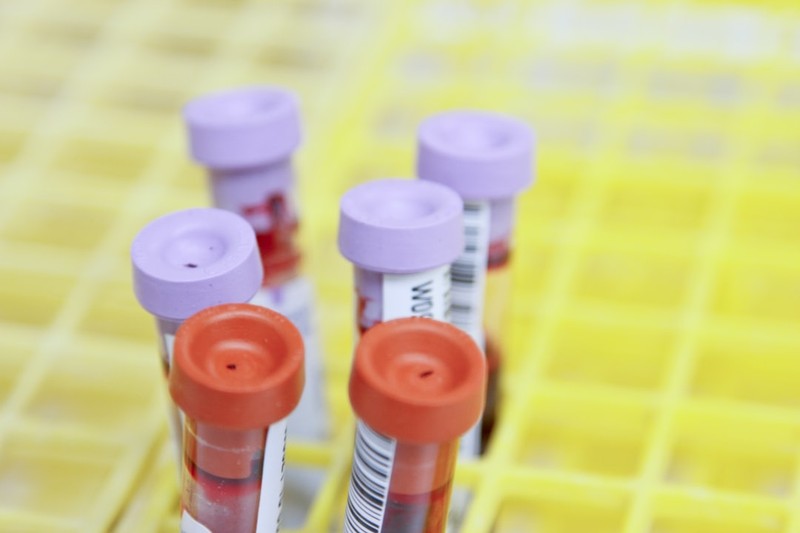
For nearly two decades, the most trusted voice in evidence-based medicine said the PSA test didn’t save lives. As of this week, it no longer says that.
Cochrane, the international organization whose systematic reviews are considered the gold standard of medical evidence, has reversed its position on prostate cancer screening. A review published May 14, analyzing data from nearly 800,000 men across six randomized trials, concludes that PSA-based screening “likely reduces the risk of dying” from prostate cancer.
This is a U-turn. Cochrane reviews in 2006 and 2013 both found no evidence that screening reduced deaths. Those findings helped drive PSA testing out of favor — the US Preventive Services Task Force recommended against the test for all men in 2012, and the UK has never instituted a national screening program.
The new conclusion rests on longer follow-up data and larger trial populations. The European Randomised Study of Screening for Prostate Cancer (ERSPC), one of the three largest trials in the review alongside the CAP and PLCO trials, now tracks participants for up to 23 years. The benefit only became visible after more than a decade. Screening reduced prostate cancer deaths by roughly 13% — two fewer deaths per 1,000 men screened.
“This finding is a milestone. I think it will make a difference for a lot of policy makers,” said Philipp Dahm, a urologist at the University of Minnesota and the review’s corresponding author.
Two deaths, 500 tests
The numbers tell a more complicated story than the reversal suggests. To prevent one prostate cancer death, roughly 500 men must be screened. Screening also led to 36 more cancer diagnoses per 1,000 men — many for slow-growing tumors that would never have caused symptoms or shortened a life.
That overdiagnosis is the central tension. Men who test positive undergo biopsies, which carry infection risk, and treatments such as surgery or radiation, which can cause incontinence and erectile dysfunction. The ProtecT trial found that between 8% and 47% of men reported urinary or sexual problems after treatment.
Juan Franco, the review’s first author from Heinrich Heine University Düsseldorf, called the findings “not a blanket endorsement of universal screening” and pointed to the “very real risks” of overdiagnosis and unnecessary treatment.
The review found screening may reduce overall mortality — though the confidence interval includes the possibility of little to no effect — and may make little to no difference in quality of life.
How the evidence shifted
The PSA story is a case study in how medical consensus gets built, challenged, and rebuilt.
After the test was introduced in the late 1980s, screening became widespread and prostate cancer diagnoses surged. But the test flags slow-growing tumors and enlarged prostates that aren’t cancer, leading to treatment of conditions that would never have harmed the patient.
Two landmark trials produced contradictory results. The US-based PLCO trial found no mortality benefit. The European ERSPC found a 20% reduction in prostate cancer deaths. The 2013 Cochrane review, weighing both, concluded screening didn’t reduce deaths.
The difference this time is duration. The ERSPC now has 23 years of data, and two new trials covering more than 250,000 participants have been added.
“Prostate cancer screening does reduce prostate cancer mortality, although the caveat is that it takes a very extended period of time to realise that benefit,” Dahm said.
What this means for men
The review doesn’t include specific guidelines, but the authors and outside experts broadly agree: screening makes most sense for men expected to live at least another 10 to 15 years, and less sense for older men with other serious health conditions.
Otis Brawley, a professor of oncology and epidemiology at Johns Hopkins, emphasized that the benefit depends on consistent medical care over time — not the kind of one-off testing common in the US, where he noted PSA tests are sometimes offered from vans at state fairs and church parking lots.
He framed the benefit starkly: out of 15 men destined to die from prostate cancer, high-quality screening over 20 years would save one. The other 14 would still die of the disease.
The review also examined a newer approach combining PSA with additional blood biomarkers and MRI. Results on mortality aren’t available yet, but the method aims to reduce unnecessary biopsies — the overdiagnosis problem that has dogged PSA testing from the start.
Several countries, including the UK, are reviewing screening guidelines. The Cochrane reversal won’t settle the PSA debate. It changes the terms.
Sources
- Does the PSA test for prostate cancer save lives? New data reverse gold-standard findings — Nature News
- Prostate‐specific antigen (PSA) test for prostate cancer screening — Cochrane Database of Systematic Reviews
- Prostate cancer screening can save lives but ‘absolute benefit is small’, study says — The Guardian
- Study: PSA tests likely reduces risk of death from prostate cancer — STAT News
Discussion (9)