 lop News
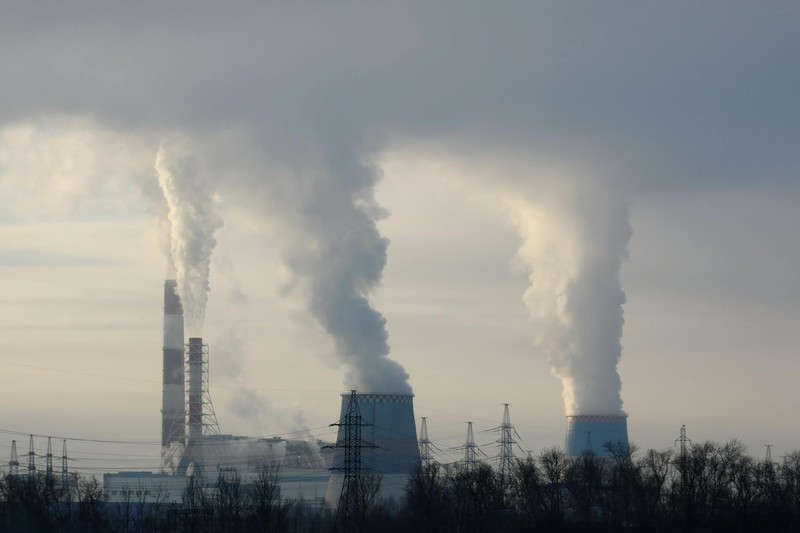
The dirtiest energy source on Earth is quietly sabotaging the cleanest one. A study published today in Nature Sustainability finds that pollution from coal-fired power plants is measurably reducing the output of solar panels worldwide — and the problem is most acute where both industries are growing at once.
Researchers from the University of Oxford and UCL mapped more than 140,000 solar installations using satellite imagery and atmospheric data. They found that aerosols — tiny airborne particles from coal combustion — cut global solar electricity generation by 5.8 percent in 2023 alone. That amounts to 111 terawatt-hours of lost energy, roughly the output of 18 medium-sized coal plants.
Between 2017 and 2023, pollution-related losses from existing solar systems averaged 74 TWh per year — nearly one-third of the electricity gained from newly installed panels during the same period.
“We’re seeing rapid global expansion of renewable energy, but the effectiveness of that transition is lower than often assumed,” lead author Dr Rui Song said. “As coal and solar expand in parallel, emissions alter the radiation environment, directly undermining the performance of solar generation.”
China illustrates the dynamic most sharply. The world’s largest solar producer, generating 793.5 TWh of solar electricity in 2023, also suffered the worst aerosol losses, with output reduced by 7.7 percent. Roughly 29 percent of those losses trace directly to coal-fired power plants, according to the study.
Dr Song cautions that even these figures likely understate the problem: aerosols alter cloud formation as well as blocking sunlight, compounding the effect in ways the study did not fully capture.
Professor Myles Allen of Oxford, who was not involved in the research, said: “Coal power is still remarkably cheap — as this study shows, that’s because the real costs are hidden.”
Discussion (6)