 lop News
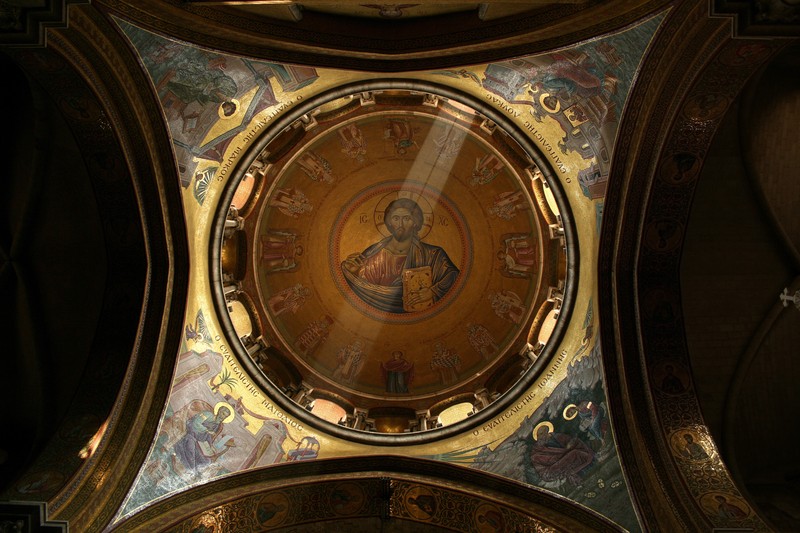
Cardinal Pierbattista Pizzaballa was walking through Jerusalem’s Old City on Sunday morning — privately, without procession or ceremony — when Israeli police stopped him and told him to turn around. His destination: the Church of the Holy Sepulchre, where Christians believe Jesus was crucified and buried. His purpose: celebrating Palm Sunday Mass.
For the first time in centuries, the heads of the Catholic Church in the Holy Land were denied entry to Christianity’s most sacred site on the day that opens the faith’s holiest week.
A War Closing Doors Across Jerusalem
The Iran war, now one month old, has shuttered Jerusalem’s major holy sites. Iranian missiles have repeatedly struck the city, and on March 16, shrapnel from ballistic missiles and debris from Israeli interceptors fell near the Holy Sepulchre and the hilltop plateau sacred to both Muslims and Jews, according to Reuters.
Israeli police said all holy sites in the Old City — Christian, Muslim, and Jewish — have been closed since the conflict began on February 28, citing the inability of emergency vehicles to navigate narrow alleys and the absence of adequate bomb shelters. Police said they had rejected a request from the Patriarchate for a Palm Sunday exemption.
The restrictions have reached all three Abrahamic faiths during their most sacred season. Al-Aqsa Mosque was largely empty during Ramadan. Few worshippers have come to the Western Wall ahead of Passover, which begins Wednesday.
“Grossly Disproportionate”
The Latin Patriarchate’s response was unsparing. In a joint statement with the Custody of the Holy Land, it called the decision “a manifestly unreasonable and grossly disproportionate measure” and “a grave precedent” that disregards “the sensibilities of billions of people around the world who, during this week, look to Jerusalem.”
The Patriarchate noted that the Holy Sepulchre had hosted private Masses since the war began and said it was unclear why Sunday was different. The requested ceremony would have involved a handful of religious leaders — well below the Israeli military’s 50-person limit for gatherings in locations with adequate shelter.
“It’s a very, very sacred day for Christians and in our opinion there was no justification for such a decision or such an action,” Patriarchate spokesperson Farid Jubran told the Associated Press.
Inconsistent Enforcement
Residents of the Old City and religious officials told Reuters that police restrictions had not been applied evenly. Muslim Waqf preachers were permitted to access Al-Aqsa Mosque during Ramadan and Eid al-Fitr. Cleaners were allowed at the Western Wall to remove prayer notes in an annual Passover ritual. On the same morning Pizzaballa was turned away, Franciscan friars were allowed into another Old City shrine a short walk from the Holy Sepulchre.
The Western Wall, while mostly closed, permits up to 50 people at a time in an enclosed area adjacent to the main plaza.
Diplomatic Fallout
The incident drew swift condemnation from Israel’s closest allies. US Ambassador Mike Huckabee called it “an unfortunate overreach,” noting the proposed ceremony fell below the 50-person threshold. “For the Patriarch to be barred from entry to the Church on Palm Sunday for a private ceremony is difficult to understand or justify,” he said in a statement.
French President Emmanuel Macron condemned the decision, saying it added to a “concerning increase in violations of the status of the Holy Sites in Jerusalem.”
Italian Prime Minister Giorgia Meloni — whose government has sought to balance support for Israel’s right to defense with criticism of civilian harm — said the police action “constitutes an offense not only against believers but against every community that recognizes religious freedom.” Italy summoned Israel’s ambassador to Rome for clarification.
Pope Leo XIV, celebrating Palm Sunday in St. Peter’s Square, prayed for Middle Eastern Christians living through what he called an “atrocious” conflict. He did not directly address the Jerusalem incident.
What Comes Next
Netanyahu said there was “no malicious intent whatsoever, only concern for his safety and that of his party.” He said security services were preparing a plan to partially open the Holy Sepulchre in the coming days, given the significance of the week leading to Easter.
Pizzaballa celebrated Mass instead at St. Savior’s Monastery, a nearby church adjacent to an underground music school that the Israeli military has deemed an adequate shelter space. Later, he held a prayer for peace at the Dominus Flevit Shrine on the Mount of Olives. His homily focused on Jesus. He did not mention the morning’s incident.
Discussion (12)