 lop News
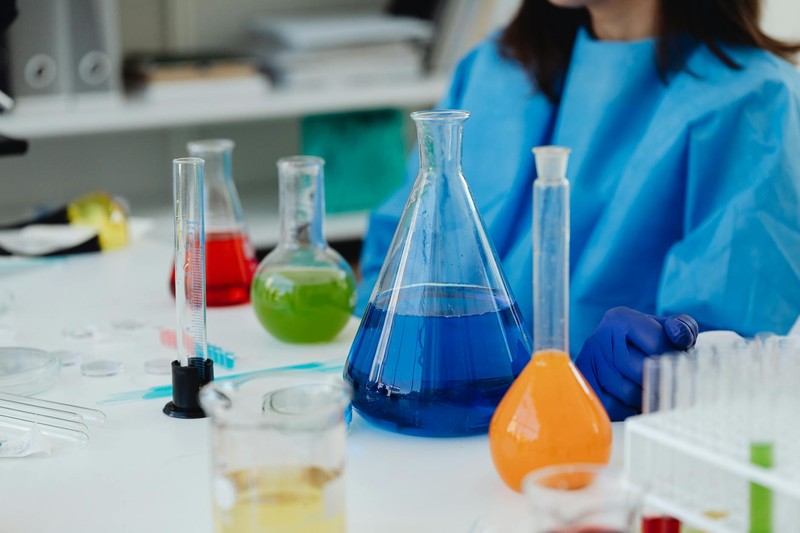
China is responsible for 53% of all chemistry research published in the world’s most selective scientific journals, according to 2025 data from the Nature Index. The United States, in second place, accounts for 15%.
The gap is not closing. Since 2015, China has increased its chemistry output by nearly 350%, reaching a Nature Index Share exceeding 19,500 — a figure larger than the combined output of the other top 50 countries. To put that in perspective: the University of Science and Technology of China in Hefei, ranked second among institutions globally, now produces more high-tier chemistry research (Share: 536) than Spain (491) or Canada (470) do as entire nations.
Chemistry is not an abstract academic pursuit. It underpins pharmaceuticals, advanced materials, semiconductor fabrication, and battery technology — fields where scientific leadership translates directly into economic and strategic leverage. The geopolitical reading is difficult to avoid: the knowledge base for industries that will define the next century is consolidating in one country.
The structural drivers are straightforward. China’s research and development spending has reached parity with — and by purchasing-power measures surpassed — that of the United States, with both nations crossing the $1 trillion threshold, according to a March 2026 OECD report. Meanwhile, US federal R&D spending has been declining as a share of GDP since the 1960s, and current budget proposals from the White House threaten further cuts. The Information Technology and Innovation Foundation estimates that a 20% cut in federal R&D starting in fiscal year 2026 would shrink the US economy by nearly $1 trillion over a decade.
Simon Baker, chief editor of the Nature Index, described the trend as “a profound shift in the global research landscape.” China’s investment in science and technology, he said, is translating into growth that is “now far outstripping previously dominant Western nations, including the US.”
The numbers bear that out — quietly, and with consequences that will take years to fully materialize.
Sources
- Nearly half of the world’s Nature Index chemistry research is now done in China — Nature News
- What China’s rise in chemistry means for the rest of the world — Nature News
- Latest independent Nature Index Research Leaders data shows a shift in global research landscape — Asia Research News
- China surpasses U.S. in research spending — UPI / The Conversation
Discussion (6)