 lop News
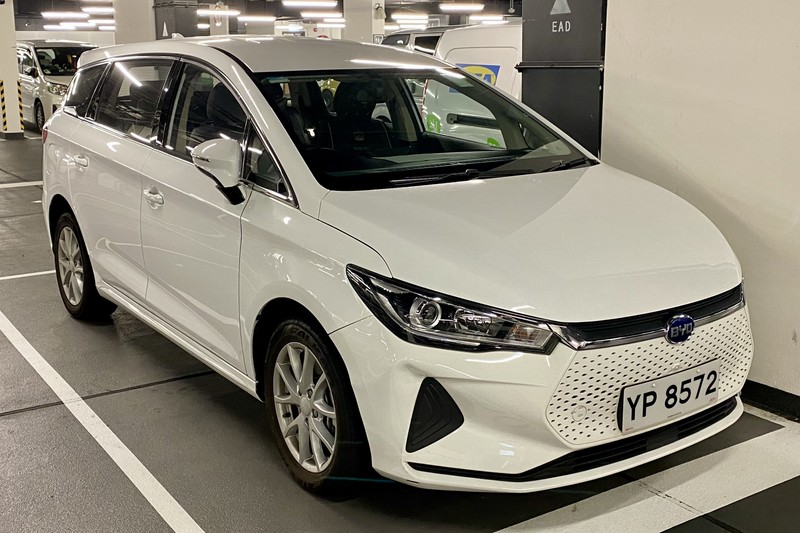
BYD sold more electric vehicles than anyone on Earth in 2025. It also made 19% less money doing it.
China’s EV champion posted net profit of 32.6 billion yuan ($4.72 billion) for the year, its first annual decline since 2021, according to a stock exchange filing on Friday. Revenue inched up 3.5% to 804 billion yuan — the slowest growth in six years. The profit figure missed analyst estimates.
The paradox is pure margin compression: BYD won the global sales crown by cutting prices, and the crown is heavy. If even the world’s most scaled EV maker bleeds, the question for every rival watching from the sidelines is sobering.
The Margin Story in Numbers
The damage accelerated as 2025 wore on. Fourth-quarter profit plummeted 38.2% to 9.3 billion yuan — the third straight quarterly decline. Gross margin from the auto division, which generates 80.7% of revenue, slipped 1.8 percentage points to 20.5%. The company-wide figure fell to a three-year low of 17.7%, according to Bloomberg, down from 19.4% in 2024.
BYD delivered 4.6 million vehicles globally, outselling Tesla by more than 600,000 battery-electric cars. But that 7.7% delivery growth marked a sharp slowdown from the 41% surge recorded a year earlier. The company also cut its workforce by 10.2% to 869,622 — its first headcount reduction.
A Price War BYD Helped Start
Chairman Wang Chuanfu did not mince words. Competition in the sector “has reached a fever pitch, and is undergoing a brutal ‘knockout stage,’” he said in an earnings statement.
BYD was an active combatant. It launched sweeping trade-in discounts last year, prompting a major industry group to publicly rebuke Chinese automakers for stoking the price war. The company’s problem is structural: cars priced below 150,000 yuan ($21,699) made up more than 61% of domestic sales as of November, according to a Reuters analysis. When China revised subsidies to favour pricier models and let new-energy vehicle purchase tax exemptions lapse, BYD’s core segment took a direct hit.
The consequences arrived fast. After finishing 2025 as China’s top automaker, BYD tumbled to fourth place in the first two months of 2026, posting its steepest sales decline since the COVID-19 pandemic. Rival Geely, meanwhile, reported a 36% jump in core net profit. Xpeng notched its first quarterly profit.
The Overseas Escape Hatch
With domestic margins under siege, BYD is leaning hard on foreign markets — where it earns more per vehicle and faces less pricing pressure.
Overseas deliveries more than doubled to 1.05 million units, a 151% surge. Foreign sales rose to 22.7% of the total and jumped to 50% in the first two months of 2026. The overseas business delivered a 19.5% gross margin — up nearly 2 percentage points year on year — compared with a 3.5-point decline from domestic operations.
BYD now targets 1.3 million vehicles sold outside China in 2026 and is building factories overseas to skirt tariffs. But the pivot is expensive. Working capital stood at minus 97 billion yuan at year-end, and the company faces new government rules requiring faster payments to suppliers battered by the industry’s price cutting.
If Even BYD Bleeds
BYD’s results are a warning for every automaker betting on volume in China’s electric transition. The company that built a vertically integrated supply chain, pioneered affordable EVs, and outsold Tesla by a widening margin is still watching profits evaporate.
For Western competitors, the calculus is stark. Tesla posted its lowest annual profit in years for 2025, with automotive revenue falling 11%. Legacy automakers trying to compete on price in China face a market where the leader’s advantage is scale, not margin — and even scale has limits.
BYD’s shareholders seem undeterred. The stock rose 3.7% in Hong Kong ahead of the results, lifted by rising oil prices from the Iran conflict that could boost EV demand. But optimism about future demand is not the same as confidence in current profitability. The knockout stage Wang described is far from over — and BYD, for all its dominance, is not immune.
Sources
- BYD’s annual profit drops for first time in four years as price war hurts margins — Reuters
- BYD Profit Disappoints Again on ‘Brutal’ China EV Competition — Bloomberg via Financial Post
- BYD’s four-year profit run ends, eyes global markets as next engine of growth — South China Morning Post
- BYD profit slumps 19% after record year edging Tesla off the EV throne — Euronews
- BYD posts first annual profit decline in four years — Business Times Singapore
Discussion (9)