 lop News
It makes your fertilizer grow your food, your copper carry your electricity, and your smartphone possible. It cleans the water you drink and helps produce the paper this article might one day be printed on. Sulfuric acid — a chemical most people never think about — is the single most manufactured compound on Earth, with annual global production exceeding 200 million tonnes. And right now, the world is running dangerously short on it.
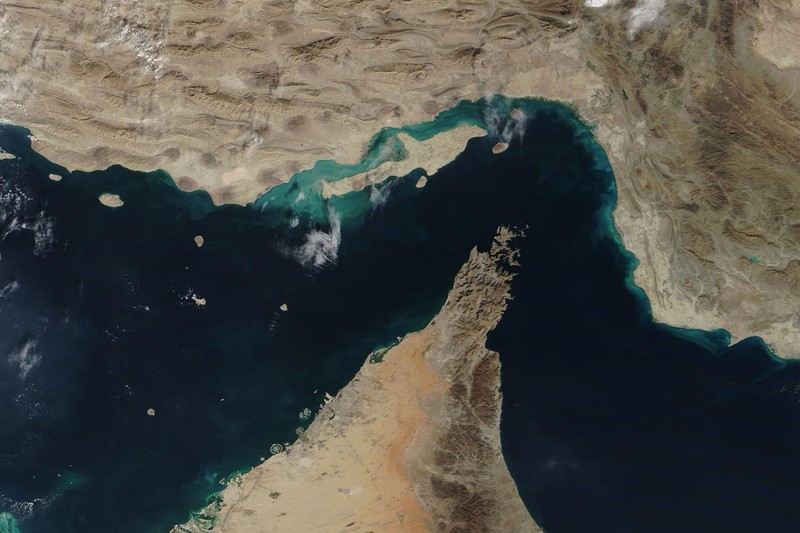
The cause traces directly to the US-Iran conflict that began in late February 2026 and the effective closure of the Strait of Hormuz, through which roughly half of all seaborne sulfur shipments once passed. The Middle East accounts for about half of global sulfur exports, with the bulk of it produced as a byproduct of oil and gas extraction. War didn’t just disrupt energy markets. It severed the supply chain for the chemical that underpins modern agriculture and industry.
The Price Says Everything
ADNOC, the Abu Dhabi state energy company, set its May 2026 official sulphur selling price at $760 per tonne — a $160 jump from April, and the largest single-month increase in the modern market’s history. That figure, free on board at Ruwais, is the highest since the commodity supercycle of mid-2008, when sulfur briefly touched $800–820 per tonne.
But the 2008 spike was demand-driven. This one is supply destruction, pure and simple. In January, sulfuric acid was already around $500 per tonne. By late April, it had surpassed $800 — more than five times the $150-per-tonne level of just five years ago, according to the Wall Street Journal.
Freight costs have amplified the shock. Shipping sulphur from the Gulf to India’s east coast has gone from $16–18 per tonne in February to $95–99 by end of April — a 476% increase driven by war risk insurance premiums, elevated bunker fuel charges, and the simple absence of available vessels. QatarEnergy’s sulphur is now landing in China at an all-time record of roughly $856 per tonne, surpassing the prior high by 51%.
Export Bans Turn a Squeeze Into a Crisis
Governments are now scrambling to wall off their own supplies. Turkey banned sulfur exports. India is reportedly considering its own restrictions. Most consequentially, China — the world’s largest sulfuric acid exporter, accounting for roughly 20% of global trade — halted exports of the chemical starting in May.
Beijing’s move covers sulphuric acid produced as a byproduct of copper and zinc smelting, and the strategic logic is blunt. China is also the world’s top sulphur importer, producing roughly 16% of global volumes domestically but consuming every drop internally. Facing Middle Eastern supply disruptions, Beijing chose to keep what it has at home.
“The ban is in effect a strategic reaction to protect domestic consumers,” said Sangita Gayatri Kannan, who researches mineral and energy economics at the Colorado School of Mines.
The rest of the world now pays the price. Chile, which typically imports more than one million tonnes of Chinese sulphuric acid per year for copper leaching, is exposed. Indonesian nickel operations that feed the global battery industry are scrambling. Robert Friedland, founder of Ivanhoe Mines, warned that over 90% of the sulfur imported into Africa comes from the Middle East, and that copper oxide operations across the continent could shut down if the disruption lasts more than three weeks.
From Mine to Market to Table
The downstream math is where this story collides with everyday life. Roughly 60% of global sulphuric acid consumption goes to fertilizer production, especially phosphate fertilizers critical to crop yields. Urea prices at New Orleans have risen 24% since the conflict began, reaching $629 per short ton. Egyptian DAP (diammonium phosphate) is clearing at $880 per tonne.
“Supply-chain disruption, whether it’s a rail strike or the Strait of Hormuz being closed, is a problem,” said Kunal Sinha, a former sulfuric acid executive at Glencore. He told the Journal that most buyers had only weeks to a month of supply in their pipelines.
Craig Jorgenson, CEO of the Sulphur Institute, put it more starkly: inventories are being drawn down, and production of critical minerals and phosphate is already slowing. Goldman Sachs has warned that roughly 17% of global copper production could be affected.
There is no ready substitute for sulphuric acid in any of these applications. The material is heavy, corrosive, and expensive to transport long distances. As Argus Media analyst Meena Chauhan noted, combining every alternative supply source worldwide would still not replace the volumes the Middle East exports.
The 2008 sulphur spike saw rice and wheat prices surge across Asia and Africa. Reuters has warned that the current disruption could prove worse than the 2022 grain price spike that followed Russia’s invasion of Ukraine. That comparison should concentrate minds. This is not an abstraction about geopolitics. This is the price of food, the cost of construction, and the viability of mines that produce the metals the energy transition requires — all moving sharply in the wrong direction, because one narrow waterway is closed and the chemical nobody talks about is suddenly very hard to get.
Sources
- The Iran War Comes for the ‘King of Chemicals’ — Foreign Policy
- Experts warn Iran war could trigger sulfuric acid shortages — MSN / Raw Story / Wall Street Journal
- ADNOC Raises May 2026 Sulphur Price by $160/t — Discovery Alert
- Sulfuric Acid Prices Surge Fivefold Amid Middle East Tensions — SEDaily / Yonhap News
- How China’s Sulphuric Acid Ban Will Hit Metals & Fertiliser — Supply Chain Digital
Discussion (10)