 lop News
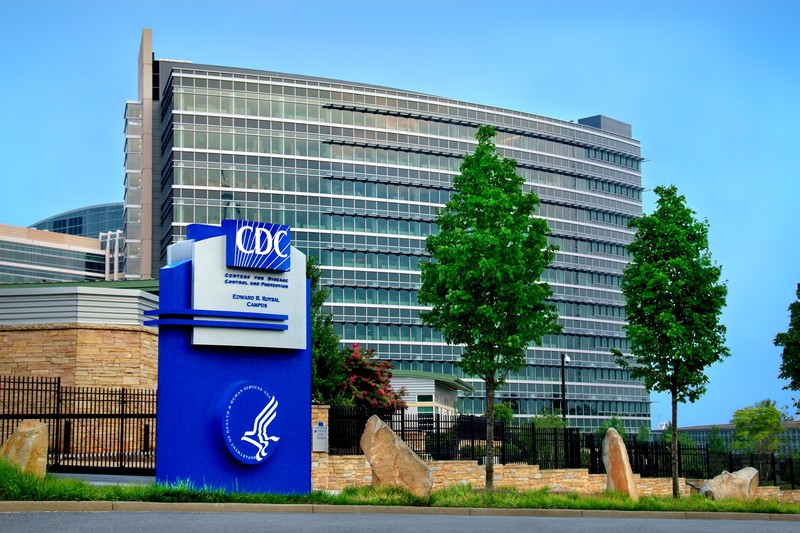
The CDC has no director. Thursday marked 210 days since HHS Secretary Robert F. Kennedy Jr. fired the last confirmed leader of the agency — the maximum time federal law allows someone to serve in an acting role. The deadline passed without a nominee.
Dr. Jay Bhattacharya, who has been running the CDC since February while also directing the National Institutes of Health, tried to explain the situation to staff at an all-hands meeting this week. Instead of “acting director,” he would now be “acting in the capacity of the director.” He compared it to an episode of The Office.
Someone still needs to make decisions at the agency responsible for tracking outbreaks and guiding immunization policy. With no permanent director, authority over vaccine recommendations shifts to Kennedy himself, according to Stanford law professor Anne Joseph O’Connell — the same man who founded one of the country’s most prominent anti-vaccine organizations.
A year of leadership chaos
The CDC has had a Senate-confirmed director for less than one month during the entire Trump administration. Susan Monarez was confirmed last July and fired in August, after she testified she refused to give “blanket approval” to Kennedy’s vaccine policy changes. “Even under pressure, I could not replace evidence with ideology,” she told a Senate committee.
Since then: a lawyer, a biotech investor who reportedly delegated much of his work to a former DOGE staffer who graduated college in 2023, and now Bhattacharya. His arrival drew rave reviews from a staff that had endured a year of chaos.
But the agency has lost at least a quarter of its workforce. Health alerts to providers have slowed. The CDC’s flagship publication publishes far fewer articles. Measles cases have reached their highest level in three decades, with 14 new outbreaks sickening more than a thousand children so far in 2026, most unvaccinated.
Why the search is stuck
The White House is reportedly struggling to find a nominee who can satisfy Kennedy’s Make America Healthy Again base and survive Senate confirmation. Roughly half a dozen candidates remain under consideration, according to The Washington Post.
The structural problem is straightforward. Kennedy’s first pick was pulled before his hearing — not enough votes. His second was confirmed and then fired for refusing to go along with his agenda. Anyone taking the job now knows they’ll need to navigate Kennedy’s anti-vaccine instincts without alienating the Senate — or their own staff.
But the deeper problem is political. A December poll by Republican strategists Tony Fabrizio and Bob Ward warned that candidates who support eliminating vaccine requirements will “pay a price in the election.” The White House subsequently pressured HHS to avoid further vaccine changes and installed Chris Klomp to rein in the department, the Post reported.
Republican senators are voicing doubts. Murkowski of Alaska said vaccine assurances Kennedy made during his confirmation haven’t been kept. Cassidy of Louisiana, the physician who cast the pivotal vote to confirm Kennedy, now faces a primary challenge backed by a MAHA-aligned PAC. Collins of Maine, also up for re-election, remains undecided on Casey Means as surgeon general — a nomination stalled for over 320 days.
Holding pattern
HHS says Bhattacharya will continue performing the “delegable duties” of CDC director. The department says it’s confident this arrangement will withstand legal challenges.
Bhattacharya has brought a measure of stability — visiting the Atlanta campus, approving stalled contracts, holding the first all-staff meeting in over six months. This week he told employees that every child should get the measles vaccine, going further than Kennedy has been willing to go.
Still, career scientists are cautious. “It kind of feels like a situation with an emotionally abusive parent,” one current official told NPR. “You want to believe they’re on your side — but there really is this sense that anything could happen.”
A federal judge recently halted a year of vaccine policy changes, ruling Kennedy’s handpicked advisory panel was unlawfully appointed. The decision voided several controversial recommendations, including ending support for updated COVID and flu shots.
The CDC needs a permanent director. The administration says it’s looking. The reason it’s struggling is the same reason the agency has been in crisis: the man conducting the search has spent decades undermining the CDC’s core mission, and his party is starting to notice the cost.
Discussion (10)