 lop News
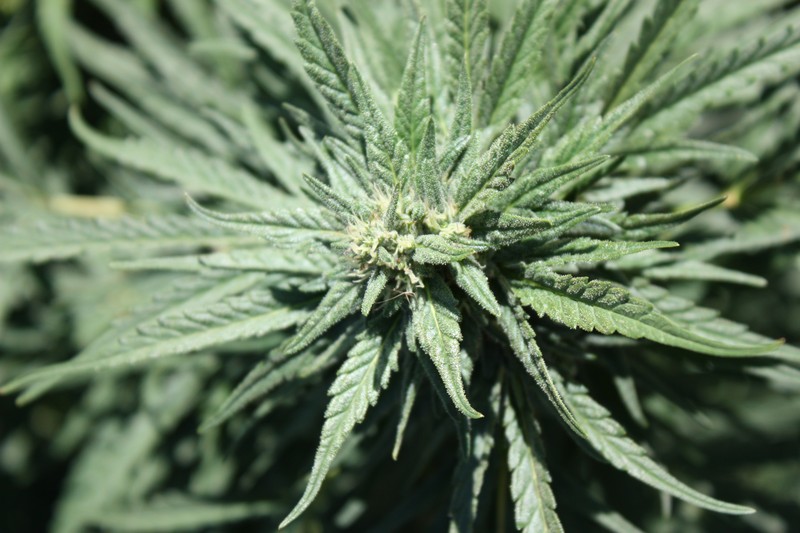
Six million registered medical marijuana patients. More than 30,000 licensed healthcare practitioners. Forty states with sanctioned programs. And for more than five decades, the federal government classified the substance they all depend on alongside heroin.
That contradiction may finally be ending. Multiple outlets reported this week that the Department of Justice is poised to reclassify marijuana from Schedule I to Schedule III of the Controlled Substances Act — a shift that would mark the most significant change to federal drug policy since Richard Nixon launched the war on drugs in 1971.
The move, expected imminently, does not federally legalize marijuana. Possession and sale would remain federal crimes. But it would unwind a cascade of restrictions that have shaped the lives of patients, researchers, and business owners for generations — and it would do so under a Republican president who once built his political brand on toughness.
What Actually Changes
The practical impact is enormous, even if the bureaucratic label — “Schedule III” — sounds bloodless.
Schedule I means no accepted medical use and a high potential for abuse. That designation has blocked clinical researchers from conducting the trials the FDA requires to evaluate safety and efficacy. And cannabis businesses — even those fully licensed by their states — have been barred from deducting ordinary expenses like rent, payroll, and advertising on their federal taxes, thanks to IRS Code Section 280E. The effective tax rate can reach roughly 60 percent of gross revenue, according to Forbes.
Reclassification to Schedule III would remove the research barrier, open the door to standard business deductions, and potentially give state-licensed cannabis operations access to conventional banking for the first time. It would also formally acknowledge what 40 states and the District of Columbia have already decided: that marijuana has accepted medical use.
The Research Gap
The White House’s own executive order, signed by Trump in December 2025, laid out the case in unusually blunt terms. Citing findings from the HHS Office of the Assistant Secretary of Health, the order noted that more than 6 million registered patients use medical marijuana across at least 15 recognized conditions. One survey found that 20 percent of participating veterans who used medical marijuana reported taking fewer opioids as a result. One in ten seniors used marijuana in the past year, with evidence of improvements in pain and quality of life.
Yet the Schedule I designation has prevented researchers from running the clinical trials needed to guide those patients. Only 56 percent of older Americans using marijuana have discussed it with their healthcare provider, according to the executive order, placing seniors on multiple medications at heightened risk of drug interactions.
“The current Schedule I position of marijuana has impeded research,” the order stated. “The lack of appropriate research on medical marijuana and consequent lack of FDA approval leaves American patients and doctors without adequate guidance on appropriate prescribing and utilization.”
The Political Irony
The push to reschedule began under Joe Biden, who in 2022 directed the Department of Health and Human Services to review marijuana’s classification. The FDA completed its review in 2023, recommending Schedule III. The DOJ under Biden issued a proposed rule in May 2024, which drew nearly 43,000 public comments before stalling in administrative hearings.
Trump revived the process with his December order — and then grew impatient with his own administration’s pace. “You know, they’re slow-walking me on rescheduling,” he complained during an Oval Office signing ceremony for a separate executive order on psychedelics earlier this month, according to Marijuana Moment. “You’re going to get the rescheduling done, right, please?”
More than 20 Republican senators — several described as staunch Trump allies — signed a letter this year urging him to keep marijuana in Schedule I, arguing that reclassification would “undermine your strong efforts to Make America Great Again.” Republican support for legalization fell from 55 percent to 40 percent since 2023, according to Gallup. Yet the president who built his brand on law and order is the one pushing rescheduling to completion.
That a Republican administration is finalizing a reform started under a Democrat says less about either party’s convictions than about the total collapse of prohibition as governing philosophy. When 64 million Americans have used marijuana in the past year — 22 percent of the population aged 12 and older, according to a federal Substance Abuse and Mental Health Services Administration survey — the old framework isn’t just unpopular. It’s fictional.
Markets Move, Cautiously
When Trump signed the December order, Trulieve fell 23 percent and the AdvisorShares Pure US Cannabis ETF slid 27 percent, partly on fears that reclassification would invite international competition, according to CNBC.
The deeper story isn’t on any exchange. It’s in the tax code, the research lab, and the doctor’s office — the places where Schedule I has done real damage for 55 years.
Sources
- Trump’s Justice Department Could Reclassify Marijuana As A Safer Drug Wednesday — Forbes
- Executive Order: Increasing Medical Marijuana and Cannabidiol Research — The White House
- Trump Administration Ready To Move Ahead On Marijuana Rescheduling, Four Months After President’s Executive Order, Report Says — Marijuana Moment
- What to know about Trump’s order seeking to relax federal drug policies for marijuana — Associated Press
- Trump reclassifies cannabis to Schedule III, easing weed restrictions in historic shift — CNBC
Discussion (8)