 lop News
$25 khakis became $30 khakis, and California says Amazon made it happen.
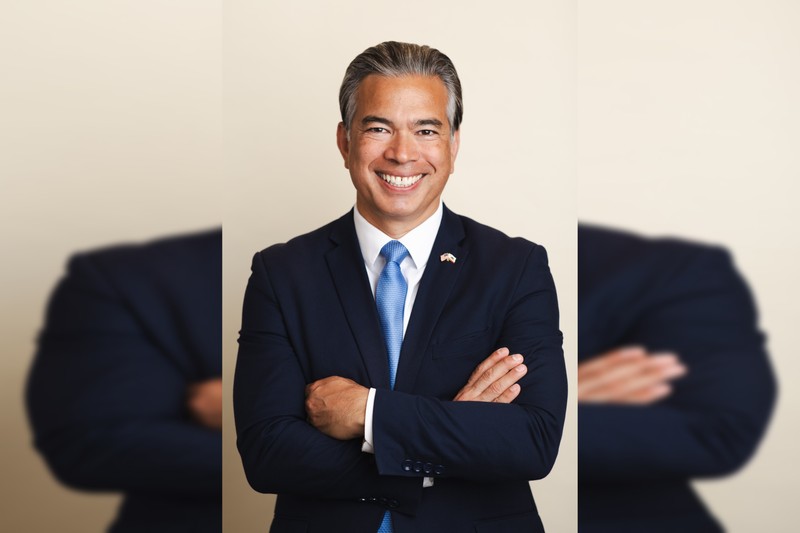
Court filings released Monday by Attorney General Rob Bonta, now largely unredacted, allege Amazon orchestrated a years-long price-fixing scheme — pressuring brands including Levi’s, Hanes, and Allergan to raise prices on rival platforms like Walmart, Target, Chewy, and Home Depot, all to protect Amazon’s own margins.
The documents, part of a 2022 antitrust lawsuit, lay out what Bonta describes as explicit written evidence of collusion. In one email exchange, Amazon flagged to Levi’s that Walmart was selling Easy Khaki Classic Fit pants for $25.47 to $26.99. A Levi’s representative responded that they had “talked to Walmart and they have partnered with us to… take Easy Khaki Classic fit back up to… $29.99 immediately.” Amazon then matched the higher price on its own site.
In another exchange, Amazon temporarily suppressed Allergan eye drop listings after finding them priced at $13.59 elsewhere. Allergan reported back that “Walmart got their price back up” to $16.99. Amazon restored the listing at the higher price. Hanes, sent links showing lower Target and Walmart prices, confirmed it “reached out to Target and Walmart to have the prices increased.”
California says the scheme operates in three ways: Amazon and a competitor agree through a shared vendor to raise prices; a cheaper rival raises its price at Amazon’s behest so Amazon can match it; or a vendor simply pulls products from the cheaper retailer, clearing the way for Amazon to hike its own price.
Bonta has asked the San Francisco Superior Court for a preliminary injunction to halt the conduct. The hearing is set for July 23; trial is scheduled for January 2027.
An Amazon spokesperson dismissed the filing as “a transparent attempt to distract from the weakness of its case, coming more than three years after filing its complaint and based on supposedly ‘new’ evidence it has had for years.” The company has long maintained that its pricing policies keep costs low.
Amazon controls roughly 50% of the US e-commerce market, according to various estimates. The California case is one of several pending antitrust actions — the FTC and 17 states sued Amazon in 2023, and European regulators have pursued similar claims. Representatives from Hanes, Levi’s, and Allergan did not respond to requests for comment, according to CNBC.
Discussion (6)