 lop News
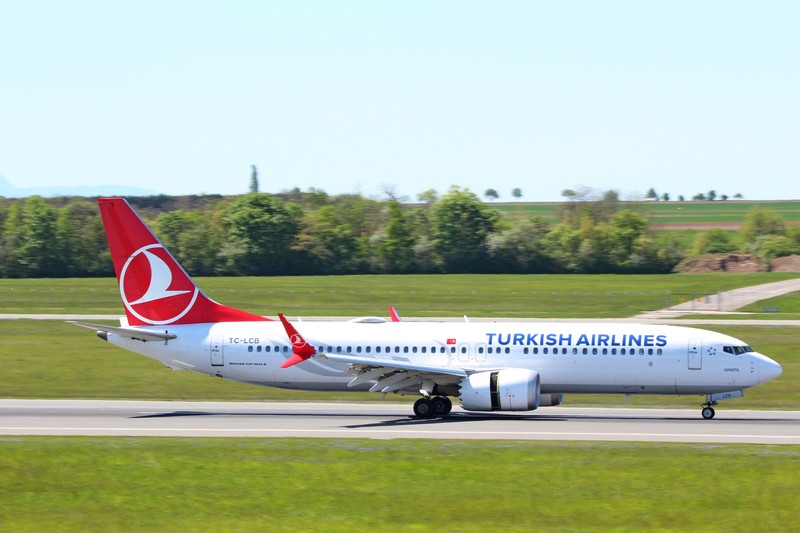
Three hours of deliberation. Two weeks of testimony. And behind it all, 346 people killed in two crashes that grounded an entire aircraft model for 20 months.
A federal jury in Seattle on Friday found Boeing not guilty of defrauding LOT Polish Airlines over the 737 MAX, ruling that the aerospace giant did not commit fraud when selling the aircraft to the carrier last decade.
LOT had accused Boeing of making “purposeful and negligent false representations and omissions” about the 737 MAX, specifically regarding MCAS — the Maneuvering Characteristics Augmentation System. Boeing later acknowledged the flawed stabilization software contributed to the Lion Air crash in October 2018 and the Ethiopian Airlines crash in March 2019. Those two disasters claimed 346 lives and led regulators worldwide to ground the MAX fleet from March 2019 until November 2020, when the US Federal Aviation Administration cleared the aircraft to resume service after software upgrades.
LOT initially filed suit seeking $250 million in lost income, according to AFP, and ultimately sought $153 million in damages at trial, Reuters reported.
“We are gratified by the jury’s verdict in our favor,” a Boeing spokesperson said in a statement.
LOT acknowledged the outcome but left the door open to appeal. “As the legal process may not yet be concluded, LOT will not comment further on the details of the proceeding at this stage,” the airline said, adding that it would consider further legal steps.
What the Jury Found Insufficient
The verdict turned on a narrow question. LOT needed to prove Boeing knowingly deceived the airline — not merely that Boeing made poor decisions, or that MCAS was flawed, or that 346 people died. The airline had to show specific, deliberate deception directed at LOT. The jury decided that evidence fell short.
This was the first carrier lawsuit over the MAX to reach trial, making it a test case for whether airlines could recoup grounding losses through fraud claims. The answer, from one jury, is no — at least on these facts.
The Criminal Case Is Already Closed
The civil verdict follows a separate resolution on the criminal side. In November 2025, a US judge dismissed criminal charges against Boeing as part of a settlement with the Department of Justice. Boeing agreed to pay $1.1 billion in exchange for dismissal of a “conspiracy to defraud the United States” charge tied to the MAX certification process, according to a federal filing.
The company admitted its software was flawed. It paid to resolve the criminal case. A jury decided that did not amount to fraud against this particular airline.
The Families’ Cases March On
Boeing’s legal exposure is far from over. Dozens of lawsuits from families of crash victims remain in progress. Most have settled. The ones that haven’t are producing significant jury awards.
This month, a jury awarded $49.5 million to the family of Samya Stumo, a 24-year-old American killed in the Ethiopian Airlines crash. Last November, a separate jury awarded $28.45 million to the widower of a MAX crash victim. A third trial in January was cut short when the parties reached a settlement on the second day of proceedings.
The next trial is scheduled for August 3, focusing on the death of Michael Ryan of Ireland.
What the Verdict Doesn’t Answer
For Boeing, the LOT decision is a clean outcome in a narrow case: no fraud finding, no damages, no template for other carriers to follow. The company can point to a jury verdict and say the fraud claim didn’t stick.
For everyone else, the verdict underscores the gap between what Boeing has acknowledged — flawed software, failed oversight, 346 deaths — and what a court will actually affirm as fraud. One requires admission. The other requires proof that specific individuals made a deliberate decision to deceive a specific customer. The jury needed three hours to decide the evidence wasn’t there.
Discussion (10)