 lop News
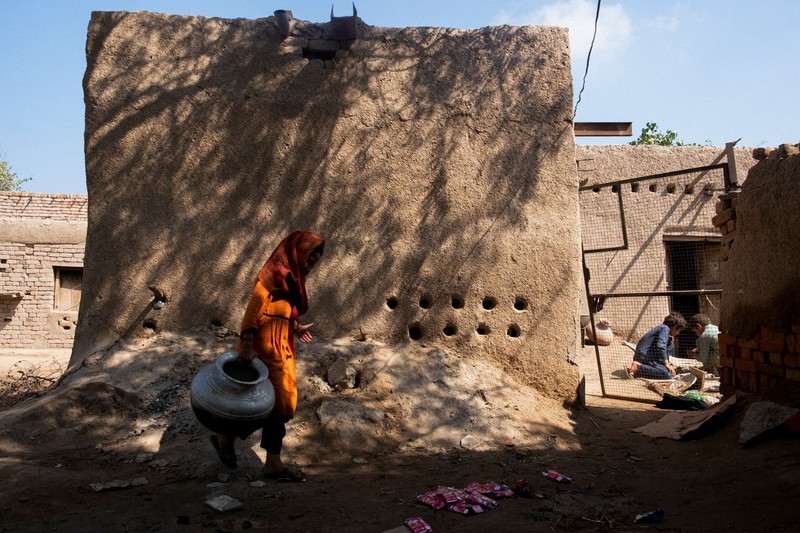
In Jacobabad, Pakistan, thermometers climbed past 47°C by the first week of May. The streets of the half-million-strong city emptied by midday. Across the border in Rajasthan, Punjab, and Delhi, readings topped 46°C. Roughly a billion people across northern India and southern Pakistan are now reorganizing daily life around a single imperative: surviving a heatwave in its seventh week.
Pre-monsoon heat is a fact of life in South Asia. What distinguishes 2026 is duration and intensity. Temperatures have run 5-8°C above seasonal norms since mid-April — weeks earlier than the typical late-May peak. Pakistan’s Meteorological Department issued heatwave bulletins on May 7, signaling an early onset that mirrors the patterns of 2015 and 2022, the region’s two deadliest modern heat events.
The cascading effects are mounting. Record electricity demand has triggered power cuts across India as cooling needs surge, Reuters reported. Agricultural drought now affects over one million square kilometres across both countries, according to GDACS data. Farmers on the Indo-Gangetic Plain have shifted irrigation and harvesting to nighttime, working under headlamps to avoid daytime temperatures that push the human body toward its physiological limits.
The Khaleej Times reported more than 100 deaths in Andhra Pradesh and Telangana alone over a three-day period in late May. Earlier official counts recorded at least 37 deaths across India and 10 in Karachi. Both figures are almost certainly severe undercounts — heat-related mortality is systemically underreported, and historical precedent suggests tolls will be revised upward for months.
According to World Weather Attribution, climate change made the April 15–29 heatwave approximately three times more likely and 1°C hotter than in a preindustrial climate. Such events now strike roughly every five years at current warming levels. At projected warming of 2.6°C by 2100, the interval could shrink to every two to three years, with temperatures an additional 1.2°C higher.
Humidity compounds the danger. As the monsoon approaches, moisture rises while temperatures remain extreme, pushing wet-bulb readings toward thresholds where the human body can no longer cool itself through sweating. Scientists have warned that parts of the Indus basin are already approaching those limits.
The monsoon typically reaches southern India in early June and Pakistan by early July. Until then, a billion people wait — and the nights are offering less relief than they used to.
Sources
- Too hot, too humid: why the sustained heatwave in India and Pakistan is so dangerous — Down To Earth (via The Conversation)
- Climate change exposes hundreds of millions to longer and deadlier pre-monsoon heat in South Asia — World Weather Attribution
- A killer heat wave has gripped India and Pakistan since early May — MSN
- DeBriefed 29 May 2026: Europe’s ‘mind-boggling’ May | Indian heat deaths | Nigeria’s solar mini-grids — Carbon Brief
Discussion (6)