 lop News
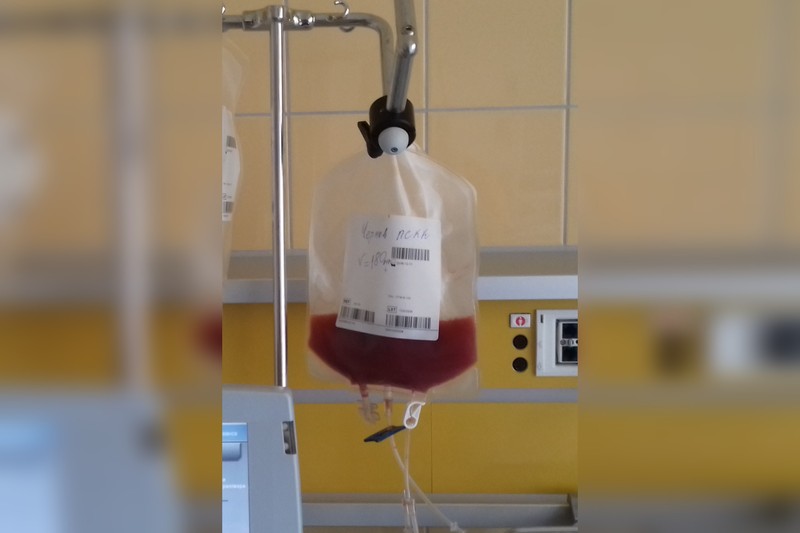
Five people born with a genetic blood disorder that demanded regular transfusions their entire lives received a single infusion of gene-edited stem cells. Within a median of 18 days, every one of them was transfusion-free. Nearly two years later, they still are.
Results of the phase 1 trial, published April 8 in Nature, mark the first clinical application of base editing for β-thalassaemia — a disease caused by mutations in the β-globin gene that reduces or eliminates production of functional haemoglobin. The standard of care is lifelong blood transfusions, often every few weeks.
The therapy, called CS-101, was developed by CorrectSequence Therapeutics, a Chinese biotech firm, in collaboration with the First Affiliated Hospital of Guangxi Medical University. It works by extracting patients’ own haematopoietic stem cells, using a “transformer base editor” to reactivate fetal haemoglobin production — effectively switching on a backup system that the body normally silences after birth — then infusing the edited cells back after chemotherapy clears space in the bone marrow.
The distinction matters. CRISPR-Cas9, already approved for β-thalassaemia as Casgevy (developed by Vertex and CRISPR Therapeutics), works by cutting both strands of DNA and relying on the cell’s error-prone repair machinery. Base editing, by contrast, swaps a single DNA letter without making a full break. That should reduce the risk of large deletions, chromosomal rearrangements, and off-target mutations — safety concerns that have shadowed earlier gene-editing approaches.
In this trial, the safety profile was consistent with the chemotherapy conditioning regimen. No deaths or cancers were reported across a median follow-up of 23 months. Mean total haemoglobin reached 12.4 g/dL at three months and held steady.
It is a small study — five patients, all at a single centre. The authors note that a planned phase 2/3 trial across multiple sites will be needed to confirm the results in a broader population. Correctseq is also targeting sickle cell disease with the same platform, racing against US-based Beam Therapeutics, which is developing a similar base-editing approach.
But the signal is clear: a single intervention, a handful of weeks, and a disease that required constant management became something patients no longer think about. For gene therapy’s expanding pipeline, this is the kind of proof point that shifts the conversation from “whether” to “how soon.”
Sources
- Clinical application of base editing for treating β-thalassaemia — Nature
- CorrectSequence Therapeutics’ CS-101 Successfully Cures One Patient of Transfusion-Dependent β-Thalassemia — CorrectSequence Therapeutics
- Base Editing Shows Early Promise for Treating Beta Thalassemia — Inside Precision Medicine
Discussion (6)