 lop News
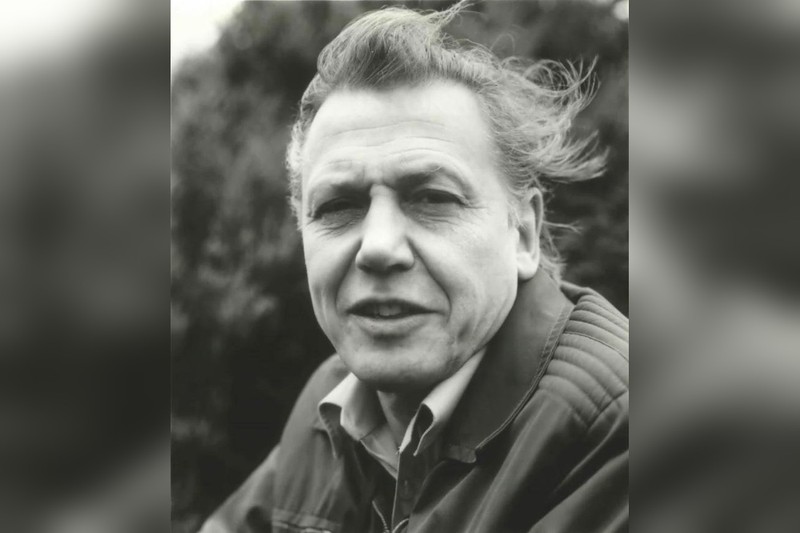
A barn owl called Lily deposits a tattered envelope through the letterbox of a London home. Inside: a handwritten card from King Charles, carried from Balmoral Castle by relay — not of human runners, but of eagles, a red squirrel, a hedgehog wedging the envelope between its spines, a fox, and a deer. The four-minute film, A Very Special Delivery, produced by BBC Studios’ natural history unit and premiered at the Royal Albert Hall on Friday, is pure charm. But the real centennial gift to David Attenborough has teeth.
Gloucestershire Wildlife Trust has designated 11 nature recovery zones spanning 50,000 hectares — roughly eleven times the size of Gloucester — in the broadcaster’s honour. The zones cover parts of the Forest of Dean, the Cotswolds, and the Stroud Commons, forming the backbone of Mission Wild, a £3 million campaign to restore landscapes and reintroduce native species including the Eurasian beaver.
Andrew McLaughlin, CEO of the trust, said Attenborough “set the standard” when he opened their conservation centre at Robinswood Hill in 1992. “Sir David’s always been very clear about that need to act with urgency and scale,” he told the BBC. The designations aim to make reserves more resilient to climate change — a pointed move in a county the Met Office named the driest in western England in 2025.
Attenborough said he had hoped to celebrate “quietly.” Instead, tributes arrived from across the world: a parasitic wasp named Attenboroughnculus tau at the Natural History Museum, tributes from Kew Gardens to the Australian Museum in Sydney, and accolades from Chris Packham, who called him “the greatest ambassador for life on Earth the planet has and will ever see.”
At COP26 in Glasgow, Attenborough told a younger generation: “In yours, you could and should witness a wonderful recovery.” In the Cotswolds and the Forest of Dean, that recovery now has 50,000 hectares to start.
Discussion (6)