 lop News
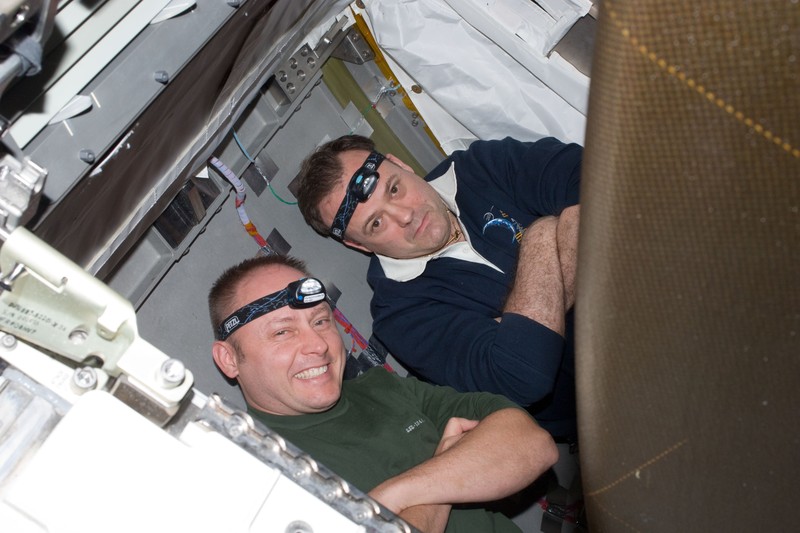
Mike Fincke was having dinner aboard the International Space Station on January 7, preparing for a spacewalk the following day, when something went wrong. Within seconds, the 59-year-old NASA astronaut — a veteran of four spaceflights and 549 cumulative days in orbit — could not speak. He felt no pain. The episode lasted roughly 20 minutes, and then it was over.
Two and a half months later, doctors still cannot explain what happened.
“It was completely out of the blue. It was just amazingly quick,” Fincke told the Associated Press in an interview from Houston’s Johnson Space Center on Friday.
His crewmates saw him in distress and rallied immediately — all six astronauts on the station responded within seconds, contacting flight surgeons on the ground. The station’s ultrasound machine was used during the episode. Fincke said he felt fine afterward and still does today.
But the incident triggered NASA’s first-ever medical evacuation from the ISS. Fincke and three crewmates returned to Earth via SpaceX on January 15, more than a month ahead of schedule. All four were taken to a hospital in San Diego after splashdown before flying home to Houston.
Doctors have ruled out a heart attack, and Fincke confirmed he was not choking. Everything else remains on the table. The cause could be tied to his extensive time in weightlessness — 549 days across four missions. Fincke said he has undergone numerous tests since returning, and NASA is reviewing other astronauts’ medical records for any comparable episodes.
Fincke identified himself as the affected astronaut in late February to quell public speculation. He has expressed regret that his illness forced the cancellation of what would have been his 10th spacewalk — and the first for crewmate Zena Cardman — and cut the mission short. NASA administrator Jared Isaacman told him to stop apologizing.
“This wasn’t you. This was space, right?” colleagues told him.
Fincke said he remains hopeful of returning to orbit someday. Whether NASA’s doctors agree may depend on identifying a cause — something that, so far, has eluded them. For an agency planning missions that would place astronauts far beyond the reach of an emergency evacuation for years at a stretch, an unexplained 20-minute blackout with no diagnosis is not a comfortable gap in the record.
Discussion (6)