 lop News
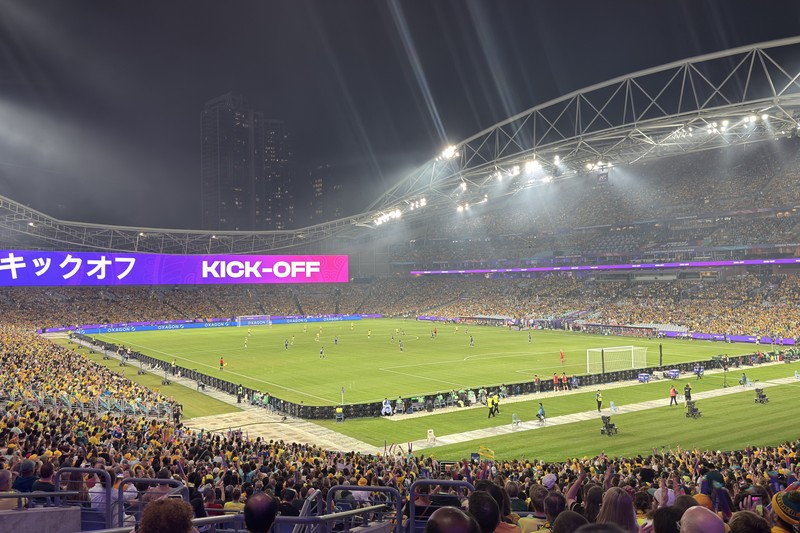
Seventy-four thousand fans packed Stadium Australia for the Women’s Asian Cup final. Japan beat Australia 1-0. Then players from both teams sat down and wrote a letter together.
The joint statement, released Thursday via world players’ union Fifpro, condemned the Asian Football Confederation’s prize money for the tournament — a pool of just $1.8 million, unchanged from 2022. The men’s Asian Cup in 2023 offered $14.8 million. Every men’s team received a $200,000 appearance fee. At the women’s event, only the four semifinalists were paid anything at all.
“Despite the success of this tournament, it remains the lowest-paying continental tournament in the world and inequality between the men’s and women’s game remains,” the statement read.
The numbers are stark. Africa’s women’s championship paid $3.47 million in 2024. Concacaf’s Gold Cup offered $3.7 million. Even South America’s Copa América Femenina managed $2 million. UEFA doubled its women’s Euro pool to €41 million in 2025, with each federation guaranteed at least €1.8 million — a figure that nominally mirrors the entire Asian prize pool’s US$1.8 million.
The 2026 Women’s Asian Cup attracted a record 355,528 fans across Perth, Gold Coast, and Sydney. A Fifpro report estimated the tournament could generate up to $82.4 million in revenue. Players kept quiet during the competition. With the trophy decided, the gloves came off.
Players from seven nations had written to the AFC in late 2025 seeking better pay and a guaranteed share for players. According to ESPN, the response from AFC general secretary Datuk Seri Windsor John was a dismissal.
The statement also catalogued off-field struggles: Indian players scrambling to replace undersized kits, South Korean players in disputes with their federation, and seven Iranian players who sought asylum in Australia after being labelled “traitors” at home.
“Equality benefits players in the short term, but football in the long term,” the statement said, before urging FIFA to honor its pledge of equal prize money for the 2027 Women’s World Cup in Brazil and vowing to “continue to fight for equality and respect for women players across our region.”
The AFC has not publicly responded. BBC Sport contacted the confederation for comment.
Discussion (6)