 lop News
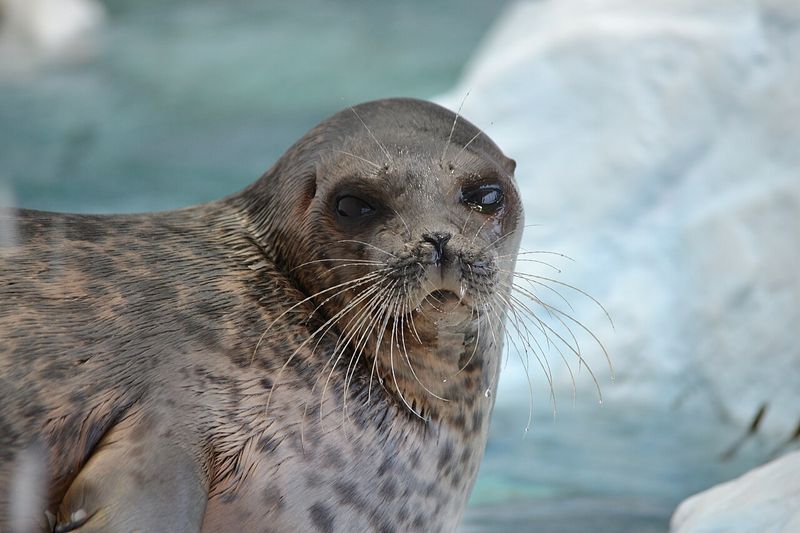
Ringed seals in the Arctic make a calculation that most prey animals never get credit for: they know where the polar bears are, and they go there anyway — if the food is interesting enough.
A study published this month in Ecology Letters found that ringed seals in eastern Hudson Bay deliberately extend their dives in polar bear hotspots when fish diversity is high. In safer waters with the same variety, they dive for less time, grabbing easy meals and moving on. But where bears patrol the ice above, a richer menu keeps them down longer, gambling survival against nutrition.
Researchers at the University of British Columbia tracked 26 ringed seals and 39 polar bears using GPS collars, combining that movement data with daily sea-ice maps and fish species composition models. The result is a detailed picture of how seals navigate what ecologists call a “landscape of fear” — and where they decide the fear is worth it.
Dr. Katie Florko, who led the research as a doctoral student at UBC’s Institute for the Oceans and Fisheries, framed it through what’s known as the portfolio effect. “The seals aren’t putting all their fish in one basket,” she said. Just as diversified investments buffer against market swings, a varied diet hedges against the unpredictability of any single food source in a changing ocean.
That changing ocean is the backdrop. As Arctic sea ice contracts, the dynamics between seals and bears are shifting. Bear density on remaining ice could spike in the short term, raising predation pressure even as polar bear populations face long-term decline. Killer whales, moving into newly open waters, may eventually pose an even greater threat.
For now, the seals are doing their own risk math — and evidently, variety is worth the gamble.