 lop News
130 years of combined military service. More than 80 commendations. And, according to a federal appeals court, no legitimate reason to force them out.
A divided panel of the US Court of Appeals for the District of Columbia Circuit ruled Monday that the Pentagon’s policy banning transgender troops from military service was illegal, delivering another legal setback to President Donald Trump’s effort to purge the armed forces along ideological lines.
Judge Robert Wilkins, writing for the 2-1 majority, said the policy “appears to be driven by the bare desire to harm a politically unpopular group: persons who identify as transgender.” He added that the administration had “forfeited any argument” that retaining these service members would harm national security, given their demonstrated records.
The ruling partially upholds a March 2025 injunction by US District Judge Ana Reyes, who found that Trump’s executive order likely violates constitutional equal protection rights. But the appeals court narrowed the scope: currently serving transgender troops named in the lawsuit are protected from discharge, while those seeking to enlist are not.
Judge Judith Rogers, a Clinton appointee, joined Wilkins but said she would have extended protections to new recruits as well. Judge Justin Walker, a Trump appointee, dissented, arguing courts have “neither the expertise nor the authority” to second-guess military personnel decisions.
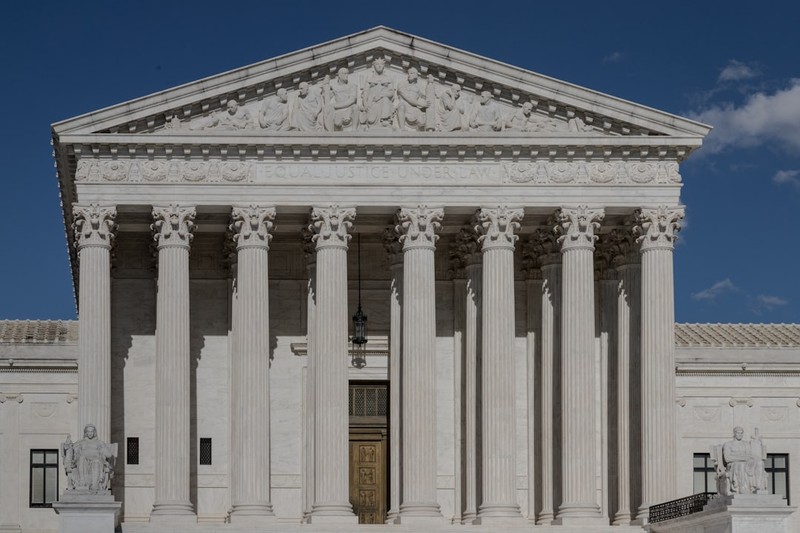
The ban remains in effect for now. The Supreme Court allowed enforcement to continue last year, and the appeals court stayed its own ruling to permit further review. Defense Secretary Pete Hegseth signaled the obvious next step: “See you at SCOTUS.”
Jennifer Levi, senior director of transgender and queer rights at GLAD Law, called the ruling “a powerful vindication” of the plaintiffs’ courage. Shannon Minter, legal director of the National Center for LGBTQ Rights, noted that service members had been preparing to face review boards and discharge — until Monday’s decision stopped that process.
The ruling fits a broader pattern of federal courts pushing back against Pentagon personnel policies under Trump, though those lower-court victories have often proven temporary once the Supreme Court gets involved.
Discussion (6)