 lop News
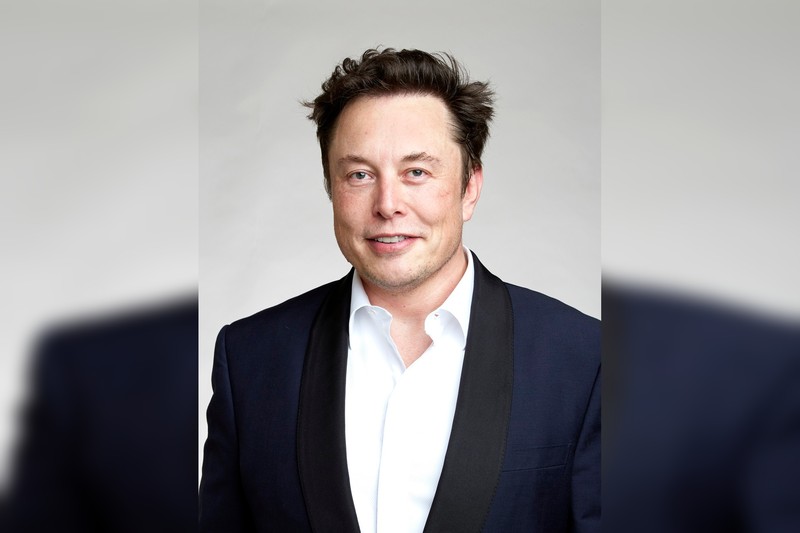
Advertisers are allowed to spend their money wherever they want. That, in essence, is the ruling that ended Elon Musk’s legal crusade against the companies that stopped buying ads on X.
On Thursday, US District Judge Jane Boyle dismissed Musk’s antitrust lawsuit against a group of major advertisers with prejudice, meaning the case cannot be refiled. X Corp had alleged that firms including Unilever, Mars, Orsted, CVS, and the World Federation of Advertisers had conspired to deprive it of “billions of dollars” in advertising revenue — a boycott that Musk had argued should be “criminally prosecuted.”
The problem, Boyle wrote, was that X couldn’t show consumers were harmed. Without consumer harm, there is no antitrust violation. “The very nature of the alleged conspiracy does not state an antitrust claim, and the court therefore has no qualm dismissing with prejudice,” she concluded. At one point, she emphasized that “the question underlying antitrust injury is whether consumers—not competitors—have been harmed.”
A Legal Theory Built on Shifting Ground
X Corp filed the lawsuit in a Texas federal court in 2024, framing the advertiser exodus as a coordinated conspiracy to tank the platform’s revenue. The company argued that the accused firms had acted against their own economic self-interest by following safety standards set by the World Federation of Advertisers’ Global Alliance for Responsible Media, or Garm. Allies in Congress had released a report claiming the advertisers were conspiring to suppress conservative voices — a characterization that fed the lawsuit’s political framing.
The defendants told the court a simpler story: they made independent business decisions about where to spend their money, and X hadn’t shown otherwise.
Boyle agreed. She noted that Garm “did not buy advertising space from X to sell to advertisers nor did it, in such an arrangement, tell X not to sell directly to Garm’s customers.” An industry group recommending brand-safety standards, in other words, is not the same thing as a price-fixing cartel.
The Revenue Collapse That Preceded the Lawsuit
The legal fight was rooted in a financial crisis at X. Within a year of Musk acquiring Twitter in 2022 for $44 billion and rebranding it, advertising revenue fell by more than half as companies paused or reduced spending on the platform, according to BBC reporting.
Musk had reinstated banned accounts, loosened content restrictions, and gutted the teams responsible for content moderation. Advertisers, many of whom had strict brand-safety requirements, responded by pulling back. Musk characterized this as warfare. “We tried being nice for 2 years and got nothing but empty words,” he posted on X. “Now, it is war.”
That war, at least on this particular front, is not going well.
A Broader Pattern of Legal Retaliation
The advertising boycott lawsuit was one piece of what Musk described as a “thermonuclear” legal campaign. He also sued Media Matters for America over its reporting on ad placement alongside extremist content — reporting that Musk claimed helped trigger the boycott. That case remains ongoing, though Ars Technica notes it may be hobbled by Boyle’s finding that no illegal boycott occurred.
The strategy fits a broader pattern among tech billionaires who have increasingly turned to the courts to punish critics, former business partners, and journalists whose coverage they find unfavorable. The approach treats legal filings not merely as remedies for genuine harm but as instruments of pressure — lengthy, expensive ordeals designed to drain resources and silence opposition regardless of whether the plaintiffs ultimately prevail.
Boyle’s ruling draws a clear line. Choosing not to buy something is not a crime. Companies are free to decide that a platform with loosened content moderation no longer aligns with their brand values. They can coordinate those decisions through industry groups. They can talk about it. None of it violates antitrust law.
X has not commented publicly on the ruling. Musk has remained silent. Given his previous statements, an appeal seems likely — though it would face the same hurdle this case couldn’t clear: proving that advertisers who simply walked away had done something illegal.
Sources
- Elon Musk loses big in court; X boycott perfectly legal — Ars Technica
Discussion (8)