 lop News
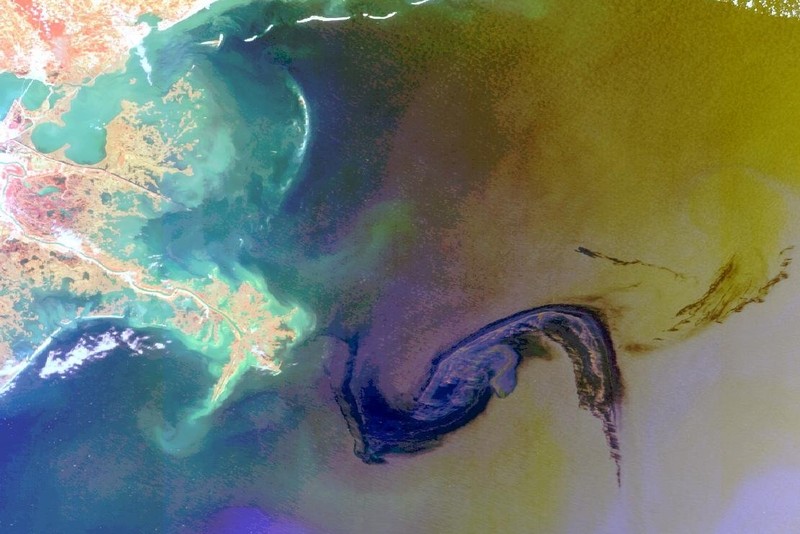
Oil is still seeping into the Gulf of Mexico. The spill has killed sea turtles, dolphins, and manatees, damaged at least 17 reefs, and spread across more than 600 kilometers of coastline and ocean. Mexican authorities say it’s “active” — meaning it hasn’t stopped.
The Mexican Navy identified three sources Thursday: a vessel anchored off the port of Coatzacoalcos in Veracruz state that has not yet been identified; and two natural oil seepage sites, one near the port and another in the Bay of Campeche. Admiral Raymundo Morales said 13 ships in the area have not been inspected, leaving the vessel responsible undetermined.
The spill has reached seven protected natural reserves, including the Veracruz Reef System National Park and the Los Tuxtlas Biosphere Reserve, according to Mexico’s National Commission of Natural Protected Areas. Some 430 tons of hydrocarbons have been collected so far.
Environmental groups paint a grimmer picture than officials. The Gulf of Mexico Reef Corridor Network — a coalition of fishing associations, indigenous groups, and environmentalists — reports finding at least seven sea turtles, two dolphins, two manatees, and a pelican affected by oil, most of them dead. The group says mangroves in Laguna del Ostion, home to protected blue crabs and migratory birds, have also been contaminated.
Environment Secretary Alicia Bárcena said Thursday that authorities “have not detected severe environmental damage.”
Greenpeace Mexico has criticized the government’s response as opaque and slow, noting that satellite imagery from the European Space Agency showed oil covering roughly 300 square kilometers as early as February 19 — weeks before authorities acknowledged the scale.
The natural seeps in Cantarell have “constant, natural emission,” Morales said, but “there has been a greater flow of contaminants in the last month.” The cause of that increased flow remains under investigation.
Sources
- Gulf of Mexico oil spill spread hundreds of miles, killed wildlife and polluted Mexican reserves — Associated Press
- Residents and wildlife along Mexico’s coast bear the brunt of Pemex oil spill — Reuters
- El derrame es una realidad — Greenpeace México
Discussion (6)