 lop News
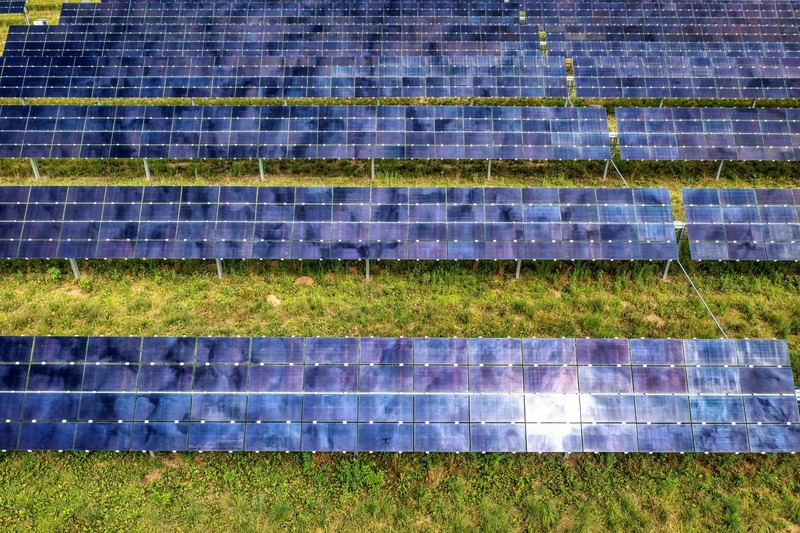
The world added 511 gigawatts of solar capacity in 2025 — more than four times the total new fossil fuel capacity built in the same year.
New data from the International Renewable Energy Agency (IRENA), shared with Reuters, shows global renewable power capacity reached 5,149 GW by the end of 2025, pushing renewables to 49.4% of total global electricity capacity. The year before, that figure was 46.3%.
Solar alone now accounts for 2,392 GW, making it the world’s largest single renewable source. Wind energy added 159 GW, reaching 1,291 GW installed. Total renewable additions — 692 GW — dwarfed the 116 GW of new fossil fuel capacity.
The figures arrive as conflict in the Middle East has led to record monthly gains on oil markets, with some in industry lobbying for more investment in fossil fuels. IRENA Director-General Francesco La Camera framed the data as a rebuttal. “The Middle East crisis has, in some ways confirmed dramatically energy security is not something we can be sure of with fossil fuels,” he told Reuters.
Countries with greater renewable capacity, several analysts noted, have been comparatively insulated from the market shock.
The growth rate — 15.5% year-on-year — puts the world within reach of the COP28 target to triple renewable capacity by 2030, though it falls just short of the 16.6% annual pace renewable groups say is necessary. La Camera described the sector as “quite close” to meeting the goal.
Capacity, however, is not the same as generation. Solar panels produce nothing at night; wind turbines sit idle in still air. Data from think tank Ember showed renewables generated 34% of global electricity in the first half of 2025 — a meaningful share, but well below the near-50% capacity figure suggests. Full-year data for 2025 has not yet been published.
Discussion (6)