 lop News
36,000 suspected cases. Nearly 15,000 confirmed. 35 dead. Mexico is fighting one of the largest measles outbreaks in the Western Hemisphere, and the numbers tell a story of how quickly hard-won public health gains can unravel.
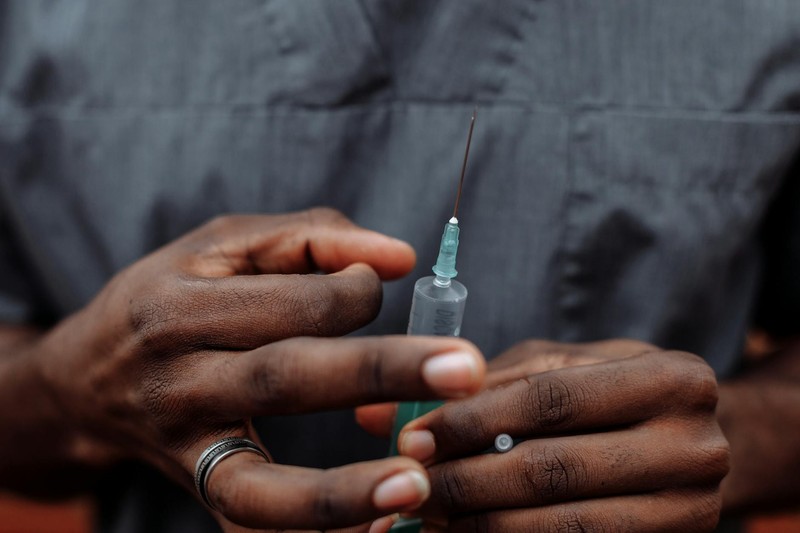
The response has been enormous: 30.1 million vaccines administered since January 2025, with a target of 2.5 million shots per week, according to Mexico’s Ministry of Health. Nurses go door-to-door. Pop-up stations have appeared in bakeries, bus stations, cinemas. QR codes on posters point to the nearest clinic. At the height of the panic, nurses at one Mexico City health center were giving 200 to 300 shots a day. Families queued for two hours.
Now the urgency is fading — and that worries the nurses most.
The outbreak began with a single Mennonite child in Chihuahua who fell ill after visiting relatives in Texas. Cases tore through largely unvaccinated Mennonite communities and spread from there, exploiting coverage gaps that had been widening for years.
Mexico’s vaccination system was once the envy of Latin America. Universal free immunization and mass campaigns all but eliminated measles in the latter half of the 20th century. But public health funding stopped keeping pace with population growth. COVID-19 kept families away from clinics. By 2023, government survey data showed only a third of 2-year-olds had complete immunizations. Health policy consultant Beatriz Martínez told NPR that success bred complacency: as diseases became less visible, people perceived less risk.
Then came TikTok. Nurses report spending increasing time countering vaccine misinformation their patients encounter online. In rural and indigenous communities, distrust runs deeper — some believe health services spread disease rather than prevent it. Compounding the problem, Mexico has no central immunization register, giving authorities no clear picture of who is protected.
Sergio Meneses Navarro, a researcher at Mexico’s National Institute of Public Health, told NPR the current approach is “a massive response but it’s inefficient” — too broad, not targeted enough at the most vulnerable populations.
Mexico is hardly alone. The Americas lost measles-free status in November 2025 after a 32-fold increase in regional cases, according to data compiled by Mexico Business News. PAHO has scheduled an April 13 meeting to review both Mexico’s and the United States’ measles elimination status. In 2025, the region recorded 14,891 confirmed cases and 29 deaths across 13 countries.
“Measles isn’t a disease of the past, it’s a disease that we have the technology to prevent,” Meneses Navarro told NPR. The question is whether Mexico can rebuild enough trust to wield it.
Sources
- There’s a massive measles vaccine campaign in Mexico. Is the public on board? — NPR
- Mexico Administers 30 Million Measles Vaccines Nationwide — Mexico Business News
- Measles elimination status in the United States and Mexico — Pan American Health Organization
Discussion (5)