 lop News
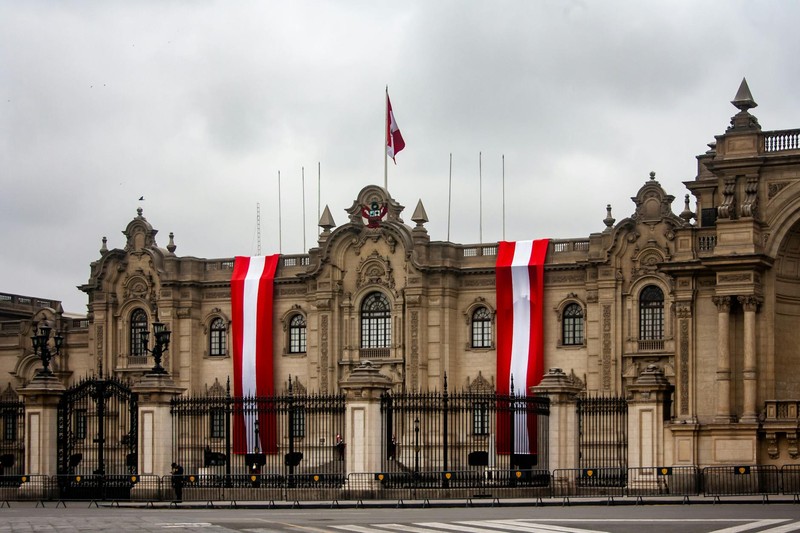
Peru set out to elect a president on Sunday and failed to finish the job. Logistical breakdowns at polling stations across the country left thousands unable to vote, forcing electoral authorities to extend the process into Monday — an extraordinary step for a nation that has cycled through eight presidents in a decade and now cannot reliably run a ballot operation.
Ballots, Booths, and Breakdowns
Electoral authorities granted 63,300 registered voters in Lima an extra day to cast their ballots, according to France 24, citing the Associated Press. The extension also covers Peruvians registered to vote in Orlando, Florida, and Paterson, New Jersey.
More than 27 million people were eligible to vote in an election that will select Peru’s ninth president in ten years. Voting is mandatory for citizens aged 18 to 70, with fines of up to $32 for non-compliance. For a country where trust in institutions has collapsed, the state’s inability to complete a basic democratic procedure lands as one more blow to public confidence.
A Crowded Field, a Narrow Lead
Conservative former Lima mayor Rafael López Aliaga was among the most prominent candidates in the crowded field, though no candidate appeared likely to reach the 50% threshold needed to win outright, making a June runoff virtually guaranteed.
López Aliaga has campaigned on a hardline security platform: prisons built in the Amazon region, anonymous judiciary identities to shield judges from criminal gangs, and the expulsion of foreigners living in the country illegally.
He is far from alone in his law-and-order pitch. The 35-candidate field — the largest in Peru’s history — includes Keiko Fujimori, the conservative former congresswoman and daughter of the late president Alberto Fujimori, making her fourth presidential bid. Popular comedian Carlos Álvarez is also running on an anti-crime platform. Crime proposals across the field range from building megaprisons to restricting prisoner food rations to reinstating the death penalty for serious offenses.
Eight Presidents in Ten Years
The sheer number of candidates reflects a fractured political landscape. Peru’s leadership has fallen to corruption scandals, congressional impeachments, and mass protests with such regularity that the country has become a case study in institutional fragility. The result is an electorate that, according to multiple reports, largely views candidates as dishonest and unprepared for the presidency.
Voters are also selecting members of a bicameral Congress for the first time in more than 30 years, following legislative reforms that concentrate significant power in a new upper chamber. The restructuring adds another layer of uncertainty to an already volatile political environment.
Safety First
If there is a unifying theme among the contenders, it is fear. Peru has experienced a sharp spike in violent crime, and voters consistently cite insecurity as their primary concern.
“There’s so much crime, so many robberies on every corner; a bus driver was killed. What matters most to us right now is safety, the lives of every person,” Heidy Justiniano, a 33-year-old nurse, told the Associated Press while waiting in line at a Lima polling station. She had not yet decided who to vote for.
“Politicians don’t always keep their promises,” Justiniano added. “This time, we have to choose our president wisely so that he can improve Peru.”
The Region’s Democratic Fatigue
Peru’s dysfunction is not happening in isolation. Across Latin America, frustration with corruption, inequality, and crime has fueled a turn toward populist and anti-establishment candidates — some promising radical security solutions, others simply promising to dismantle what exists. The 35-candidate field in Lima is a symptom of the same democratic fatigue pulling the region in unpredictable directions.
Of the approximately 1.2 million Peruvians who cast ballots abroad, most voted in the United States and Argentina — two countries grappling with their own versions of institutional strain.
For now, the counting continues. When the remaining voters cast their ballots on Monday, Peru will move closer to knowing which two candidates face off in June. What the country will not learn anytime soon is whether its next president can survive the office.
Discussion (10)