 lop News
324 drones and three ballistic missiles rained on Ukraine overnight in a massive aerial barrage. By dawn on Wednesday, one woman was dead, at least seven were wounded, and the message was unmistakable: Moscow’s air campaign is intensifying, not winding down.
Ukraine’s air force said the assault began at 6pm local time on Tuesday and stretched through the night. The arsenal included roughly 250 Shahed-type attack drones — supplemented by Gerbera and Italmass variants — launched from seven sites across Russia and Russian-occupied Crimea, as well as three Iskander-M ballistic missiles fired from the Rostov region.
Air defence units shot down or electronically neutralised 309 of the drones, according to the Ukrainian Air Force. But the missiles and 13 drones got through, striking nine locations. Debris from downed weapons fell across ten more.
Cities Under Fire
The barrage was national in scope. President Volodymyr Zelensky listed Dnipro, Cherkasy, Kharkiv, Kryvyi Rih, Chernihiv, the Donetsk region, and Zaporizhzhia as targets in a post on X, adding: “We need air defence missiles every single day – every day the Russians continue their strikes on our cities.”
In Zaporizhzhia, a 74-year-old saleswoman was killed when a combined attack struck around 5am on Wednesday, regional governor Ivan Fedorov and regional prosecutors said. The blast damaged a car park, business premises, residential buildings, and an education facility. Photographs posted by Fedorov showed a shattered metal kiosk and buildings with blown-out windows.
In Dnipro, three people were injured and a nine-storey apartment building and an administrative building were damaged, according to regional governor Oleksandr Ganzha. The strike came just one day after a missile attack on the same city killed five people and wounded nearly 30 — a two-day toll that underscores the compounding effect of sustained bombardment on civilian areas.
In Cherkasy, four people sought medical treatment after an overnight drone attack damaged dozens of private homes and cars, governor Ihor Taburets said. An earlier strike on Tuesday had killed an eight-year-old boy and injured 14 others.
Port infrastructure on the Danube in Ukraine’s southern Odesa region was also hit, the Ukrainian Sea Ports Authority said, with damage to production and storage facilities. Despite the strikes, ports continued to operate.
The Escalation Calculus
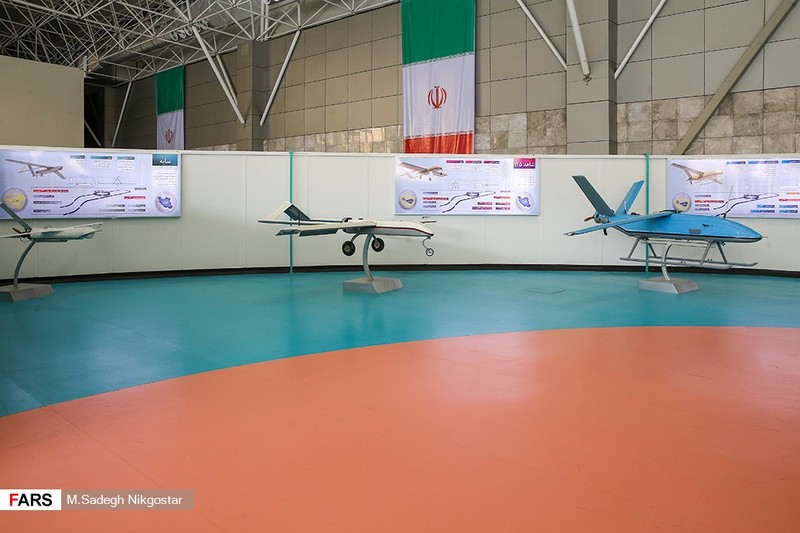
The overnight barrage represents a significant intensification of Russia’s air campaign, which has relied increasingly on mass drone swarms to overwhelm Ukrainian air defences. Roughly 250 of the drones used in this attack were Shahed-type — the Iranian-designed loitering munitions that have become the backbone of Russia’s long-range strike capability.
The scale of the assault also signals Moscow’s read on the current diplomatic landscape. The attack came on the same day that Ukraine secured new defence cooperation agreements with Germany and a drone production arrangement with Norway — deals that explicitly strengthen Kyiv’s ability to weather exactly this kind of bombardment. Striking hours after those agreements were announced reads less like coincidence than calculation.
More broadly, the barrage lands during a period of acute strain on Western attention. With governments across Europe and North America consumed by crises from the Middle East to the Indo-Pacific, Russia has repeatedly escalated its air campaign during moments when allied focus is diffuse and the political cost of a coordinated response is highest.
Whether that calculus holds depends on what happens next. Ukraine’s ability to intercept 309 of 324 drones is a testament to increasingly sophisticated air defence coordination — but it also reveals the math Moscow is betting on. A 95 percent interception rate still left nine locations struck, infrastructure damaged, and civilians killed.
What Comes Next
Zelensky’s call for air defence missiles was pointed and specific. Ukraine’s ability to sustain its current interception rate depends on continued Western supplies of interceptor munitions and advanced systems — resources that are simultaneously in demand across multiple active conflicts.
The attack underscores a structural reality of this war: Russia retains the capacity to launch hundreds of drones and multiple ballistic missiles in a single night, and there is no indication that capacity is diminishing. For Ukraine, the challenge is not whether the next barrage will come, but how large it will be and whether the missiles will be there to meet it.
Discussion (10)