 lop News
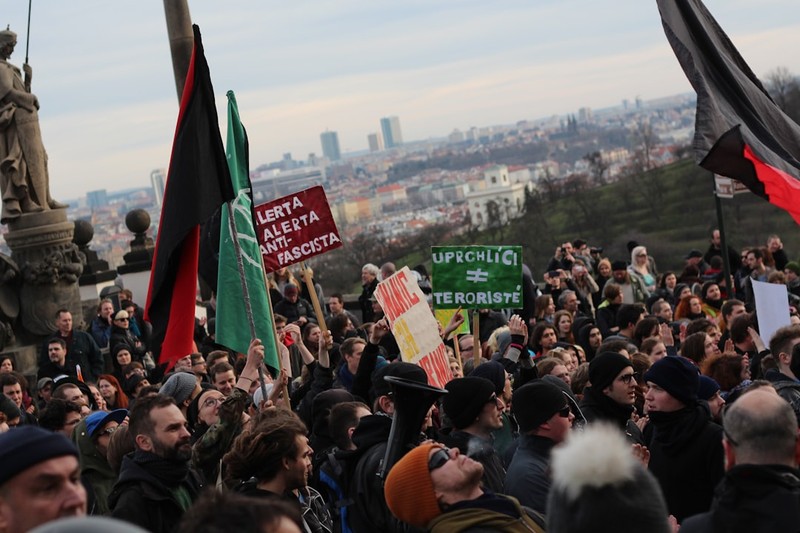
Two hundred thousand people filled Letná Park in Prague on Saturday, making it the Czech Republic’s largest anti-government demonstration since 2019 and one of the biggest since the fall of communism.
The target: Prime Minister Andrej Babiš and a government that protesters say is dragging the country toward the illiberal playbook already running in Hungary and Slovakia.
What Brought Them Out
The rally, organized by the NGO A Million Moments for Democracy, was triggered by a series of parliamentary moves that critics call democratic backsliding. Lawmakers recently rejected a motion to lift Babiš’s immunity from prosecution in a $2 million EU subsidy fraud case, shielding him from trial until 2029. Parliament also blocked prosecution of lower house Speaker Tomio Okamura on charges of inciting hatred.
But the sharpest grievance is a draft “foreign agent” law that would require organizations and individuals with foreign ties or funding to register or face fines of up to 15 million crowns (€612,000). Simon Panek, executive director of the Czech Republic’s largest NGO, People in Need, told Deutsche Welle that “about 70% to 80%” of the bill’s provisions mirror Russia’s foreign agent legislation.
“We’re here to clearly stand against dragging our country onto the path of Slovakia and Hungary,” head organizer Mikuláš Minář told the crowd.
Why It Matters Beyond Czech Borders
The protest fits a pattern rippling through Central Europe. Hungary’s similar law was struck down by the European Court of Justice. Slovakia’s version, introduced by Robert Fico’s government in June 2025, was overturned by its Constitutional Court in December. Prague’s massive turnout signals that democratic anxiety inside the EU is not confined to its eastern margins — it is deepening.
More protests are planned.
Sources
- Tens of thousands of people in Prague protest against new government of Czech prime minister Babiš — PBS News / Associated Press
- Czechs plan major rally as MPs mull ‘foreign agent’ law — Deutsche Welle
- Tens of thousands of protesters rally in Prague against new government of Czech prime minister Babiš — ABC News / Associated Press