 lop News
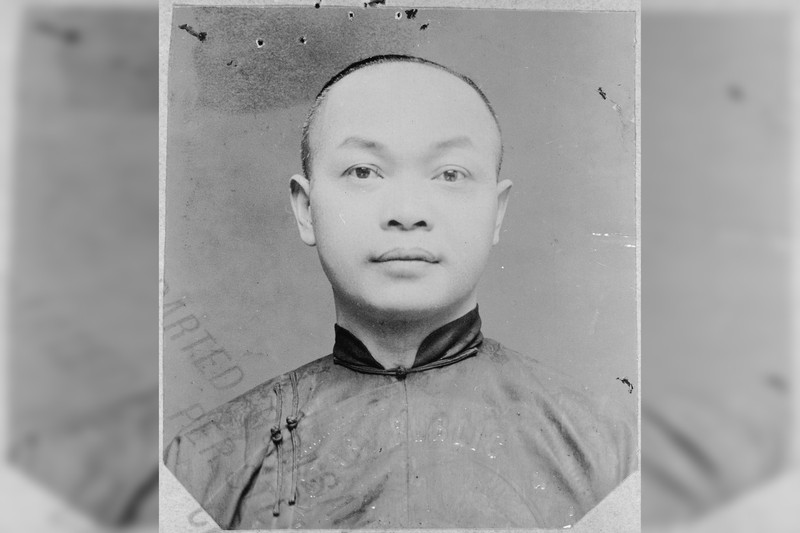
Norman Wong, 76, grew up in San Francisco knowing almost nothing about what his great-grandfather did for the country. Now a retired carpenter, he has spent years learning about it — and watching history fold back on itself.
His great-grandfather was Wong Kim Ark, a cook born in San Francisco’s Chinatown in 1873. When Ark returned from a visit to China in 1895, customs officials barred his re-entry. His parents were Chinese nationals, the government argued, so he was too — ineligible under the Chinese Exclusion Act. The Supreme Court disagreed on March 28, 1898, ruling 6-2 that the 14th Amendment’s citizenship clause meant exactly what it said: anyone born on US soil, regardless of parentage, is a citizen.
On April 1, the court will hear arguments in a case that could unravel that 128-year-old precedent. President Donald Trump’s executive order, issued his first day back in office in January 2025, would deny automatic citizenship to babies born in the United States if neither parent is a citizen or legal permanent resident. The administration argues that people in the country illegally or temporarily are not “subject to the jurisdiction” of the United States in the constitutional sense.
The stakes are enormous. According to estimates cited by Reuters, as many as 250,000 babies born each year could be affected, and millions more families could face new burdens to prove their children’s status.
Legal experts say the administration faces an uphill battle. University of Virginia law professor Amanda Frost noted that “every single method and source of constitutional interpretation confirms” the citizenship clause applies to everyone born in the United States, with only narrow exceptions for children of foreign diplomats. The administration counters that Wong Kim Ark’s precedent applied only to parents with lawful permanent domicile — not temporary visitors or undocumented immigrants.
Norman Wong isn’t persuaded. “Wong Kim Ark didn’t make the rule,” he told Reuters. “He affirmed the rule.” Of Trump’s order, he said: “I didn’t see the executive order as an end. I saw that as a beginning, that they would chip away at citizenship until they can do away with the people that they don’t want.”
The court’s 6-3 conservative majority has repeatedly sided with Trump on immigration enforcement at the interim stage. This time, it will rule on the constitutional question itself.
Discussion (5)