 lop News
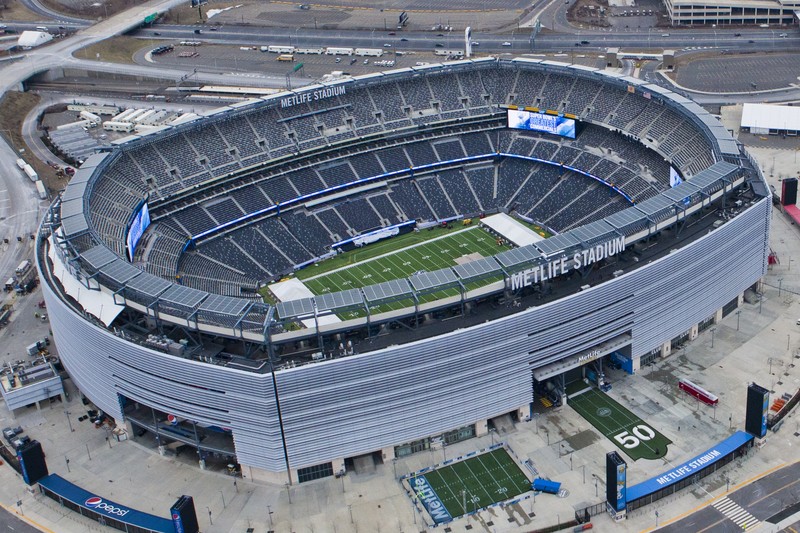
The ride from Manhattan’s Penn Station to MetLife Stadium takes roughly 15 minutes and covers about nine miles. During the World Cup this summer, that same trip will cost $150.
That’s not a typo. NJ Transit announced Friday that round-trip rail tickets to the East Rutherford, New Jersey venue will run fans nearly twelve times the regular $12.90 fare. The tickets are non-transferrable, non-refundable, and available only through the agency’s mobile app. A family of four faces $600 in train costs alone before reaching the turnstiles. Bus shuttles are a relative bargain at $80.
Who Pays for the World Cup?
The fare has ignited a bitter standoff between New Jersey officials and FIFA, each insisting the other should foot a transportation bill that NJ Transit estimates at $62 million across eight matches at MetLife, including the July 19 final.
Agency President and CEO Kris Kolluri defended the pricing: “This isn’t price gouging. We’re literally trying to recoup our costs.” NJ Transit said external grants have covered only $14 million of anticipated expenses, leaving a $48 million gap.
Governor Mikie Sherrill sees it differently. She pointed to FIFA’s expected $11 billion in tournament revenue and demanded the organization cover transit costs. “We will not be subsidizing World Cup ticket holders on the backs of New Jerseyans who rely on NJ TRANSIT every day,” she said in a statement.
FIFA’s response was pointed. Chief Operating Officer Heimo Schirgi warned the fare would have “a chilling effect” on fans and called the demand that FIFA absorb costs “unprecedented.”
“No other global event, concert or major sporting promoter has faced such a demand,” Schirgi said. He also corrected Sherrill’s framing: FIFA expects $11 billion in revenue, not profit, which the organization says is reinvested in global football development.
A Tale of Two Price Tags
The contrast between host cities is jarring. In Los Angeles, a round trip will cost $3.50. In Atlanta, one-way fares are locked at $2.50. In Houston, a single ride will stay at $1.25. Philadelphia won’t raise fares at all, citing a federal grant covering additional operating costs. Kansas City is running $15 shuttles.
Boston sits alongside New Jersey in the premium tier. Express buses to Gillette Stadium, roughly 30 miles from the city, will cost $95. Special train tickets are $80 — about four times the usual fare, according to CNN.
The discrepancy points to an uncomfortable pattern: the World Cup lands hardest where transit infrastructure is already stretched thin. MetLife Stadium sits in the Meadowlands, reachable by a single rail spur. FIFA has eliminated general parking to accommodate fan villages and staff areas. Remaining spots at the adjacent American Dream Mall are listed at $225.
The last time the venue hosted a mega-event under similar constraints — the 2014 Super Bowl — NJ Transit struggled to move 33,000 passengers. Platforms jammed. Fans waited hours for trains.
Fans Feel Fleeced
Fan organizations have been blunt. A spokesman for the French group Les Irresistibles Francais called the train pricing “completely insane.” Thomas Concannon of England’s Football Supporters’ Association told the BBC: “Every single thing coming out of this tournament so far is just fans getting fleeced.”
US Senator Chuck Schumer called the fare hike “a ripoff — plain and simple” and said FIFA should cover the rides, noting the organization is “making billions from this World Cup.”
The fight over who pays to move 78,000 spectators per match is a familiar ritual of mega-event hosting. What’s different here is the arithmetic. When a 15-minute train ride costs more than many people earn in a day’s work, the World Cup stops being a public festival and becomes a luxury product with a transit surcharge attached.
Sources
- $150 to get to MetLife: NJ Transit announces prices for rail, bus tickets to World Cup — NBC New York
- $13 train fare spikes to $150 for World Cup fans attending matches in New Jersey — CNN
- New Jersey’s $150 transit fare will have ‘chilling effect’, FIFA warns — Channel News Asia
- World Cup 2026: Fans to pay $150 for train ticket to stadium — Deutsche Welle
Discussion (9)